What is Asian Rhinoplasty?
Asian rhinoplasty is a specialized form of facial plastic surgery designed to address the unique anatomy commonly found in patients of Asian descent. While every patient is different, many Asian patients seek subtle enhancement of the nasal bridge, improved tip definition, or refinement of the nostrils while maintaining their ethnic identity.
Unlike traditional rhinoplasty techniques that often focus on reducing the size of the nose, Asian rhinoplasty frequently emphasizes structural enhancement. Many patients have a low nasal bridge, limited tip projection, or thicker soft tissue that requires augmentation rather than reduction. Depending on the patient’s anatomy and aesthetic goals, surgery may include dorsal augmentation, reshaping of the nasal tip, alar base reduction, or cartilage grafts to improve support and definition. Whenever possible, graft material is taken from the patient’s own body, including septal, ear, or rib cartilage (also known as costal cartilage).
Candidates for the Asian Rhinoplasty Technique
The best candidates for Asian rhinoplasty surgery are healthy individuals who wish to improve the appearance or function of their nose while maintaining realistic expectations.
Candidates often seek treatment to address:
- A low nasal bridge
- Limited tip projection
- A broad or poorly defined tip of the nose
- Wide nostrils that may benefit from alar base reduction
- Asymmetry or previous nasal injury
- Functional concerns that may also improve breathing
Some patients also pursue revision surgery after an earlier rhinoplasty that did not achieve their desired results or failed to preserve natural facial harmony. During the initial consultation, your surgeon carefully evaluates your nasal structure, soft tissue, skin thickness, facial proportions, and personal goals.
Asian Rhinoplasty Procedure
Every Asian rhinoplasty procedure is tailored to the patient’s individual anatomy and desired outcome. Depending on the complexity of the case, surgery may be performed using either a closed approach or an open rhinoplasty. An open approach provides greater visibility of the underlying structures and is often recommended when extensive reshaping or multiple cartilage grafts are required.
During surgery, the surgeon may perform dorsal augmentation to increase the height of the nasal dorsum, refine the nasal tip, improve tip support, or reshape the nostrils. Structural support is frequently created using septal cartilage, ear cartilage, or costal cartilage, depending on the amount of graft material needed. In select cases, advanced grafting methods such as diced cartilage fascia may be used to create smooth, natural contours.
Asian Rhinoplasty Recovery
Recovery after Asian rhinoplasty is similar to that of other rhinoplasty procedures, although healing varies with the extent of surgery and individual anatomy. Patients typically experience swelling, bruising, and mild discomfort during the first week. Because many patients have thick skin, the nasal tip may retain swelling longer than other areas of the nose. Residual swelling gradually improves over several months, allowing the final contours to become increasingly defined.
Most patients return to work or school within one to two weeks, although strenuous physical activity should be avoided until approved by the surgeon. Following postoperative instructions carefully supports proper healing and helps protect the newly reconstructed nasal framework. While noticeable improvements are visible early in recovery, the final results continue to evolve over the course of a year as swelling fully resolves and the tissues settle into their new position.
Schedule a Cosmetic Surgery Consultation
If you are considering Asian rhinoplasty, choosing a surgeon with experience in ethnic nasal anatomy is essential for achieving natural, balanced results. At Daraei Facial Plastic Surgery, every procedure begins with a comprehensive consultation focused on your anatomy, facial proportions, and aesthetic goals. Contact Daraei Facial Plastic Surgery today to schedule a cosmetic surgery consultation and learn how Asian rhinoplasty can help you achieve beautiful, natural-looking results tailored to your unique features.
Asian Rhinoplasty Results
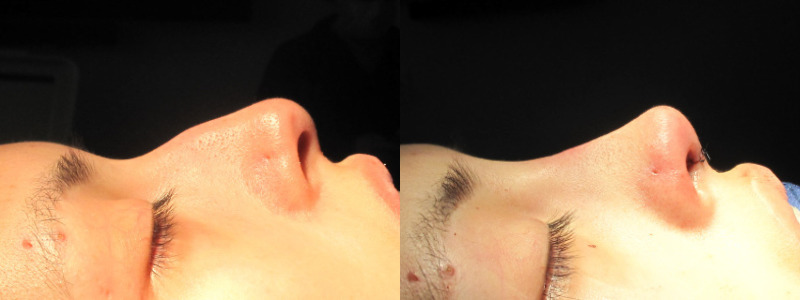
The results of your Asian rhinoplasty are life-long, with improvements in your appearance and nasal function becoming more noticeable as swelling diminishes. Because this technique is tailored to the unique anatomical characteristics common in Asian noses—often involving augmentation of the bridge and refinement of the tip using grafts or implants—patients typically experience enhanced nasal projection and definition with a smoother recovery. Patients often find their facial features more balanced and their confidence heightened, while maintaining features that harmonize with their overall facial structure. Those who undergo Asian rhinoplasty to address breathing difficulties report improved airflow and overall quality of life after the procedure, thanks to the technique’s attention to both aesthetic and functional nasal anatomy.
Frequently Asked Questions
What is rhinoplasty and how does it work?
A rhinoplasty, also known as a nose job, is a surgery that helps reshape and resize the nose, while also improving the function of the nose. The changes can be cosmetic, functional, or both. The most common reasons for undergoing a rhinoplasty are a bump on the bridge of the nose, a wide or droopy tip, and asymmetries. A rhinoplasty is performed by changing the underlying cartilages and/or bones in order to improve the size and shape of the nose.
Am I a good candidate for rhinoplasty surgery?
In order to undergo rhinoplasty surgery, you should be in relatively good health and be able to tolerate anesthesia. You should also have goals in mind to review with your surgeon, to be sure it is possible to achieve the results you desire. There is no specific age for rhinoplasty surgery, but most patients are 16 and older and are physically and mentally ready for a surgical procedure on the face.
What is the difference between open vs. closed rhinoplasty?
A rhinoplasty can change the size and shape of the bones and cartilages beneath the skin of the nose in order to improve the size, shape, and function of the nose. This can be achieved using an open technique where an incision is made at the columella of the nose and connected to incision on the inside of the nostrils. This allows the surgeon to peel the skin of the nose back to change the structure of the nose. In a closed, or endonasal rhinoplasty, incisions are made only on the inside of the nostrils and the bones/cartilages are shaped through small access sides inside the nose. Both techniques are excellent and can be used, but it’s important to analyze the patient’s anatomy and goals prior to deciding on the type of rhinoplasty necessary.
How do I choose the best rhinoplasty surgeon near me?
First, start by finding board certified facial plastic surgeons near you who specialize in rhinoplasty surgery. Next, review their website, social media, google reviews, and other content. Word of mouth referral can also be very helpful. Once you have found 2-3 surgeons whose results and aesthetic match your goals, contact their office to schedule in-person consultations. After you have met with those surgeons, reviewed their work, discussed your goals, and developed a professional relationship with their team, select the surgeon who you feel will be able to deliver the best results for you.
Can rhinoplasty improve both the appearance and breathing function of the nose?
Yes, rhinoplasty can improve both the appearance and breathing function the nose. An experienced rhinoplasty expert should treat both equally and perform surgery with both in mind. A well support, aesthetically pleasing nose should also breathe well. There is no reason to sacrifice one for the other.
How much does rhinoplasty cost on average?
Rhinoplasty costs range by surgeon, location, and type of surgery performed and can vary drastically. Primary rhinoplasty (first time surgery) often starts around $10,000 for the surgeons fee and can increase depending on length and complexity of the surgery. Revision rhinoplasty costs are often much higher due to increased complexity. Cost is important, but should not be the only factor when selecting your surgeon.
What financing or payment options are available for rhinoplasty?
Financing or payment options vary by practice. Our practice accepts CareCredit, Alphaeon, and PatientFi.
How long does a rhinoplasty procedure take?
Most primary rhinoplasty surgeries take between 2-3 hours. Revision rhinoplasty surgeries can take as little as 2 hours and as long as 6 hours, depending on the surgeon, complexity of the case, and steps necessary to achieve an aesthetic and functional goal.
Is rhinoplasty a safe surgery?
Yes, rhinoplasty is a very safe surgery. However, fully evaluating the patient is critical. A thorough history and physical exam is an important part of the consultation process and medical clearance by a provider or anesthesiologist is often required to ensure that the patient is healthy enough to undergo an elective, cosmetic procedure such as a rhinoplasty.
What type of anesthesia is used for rhinoplasty?
Anesthesia techniques vary greatly by surgeon. Most surgeons use either general anesthesia to make the patient comfortable enough and maintain an appropriate level of anesthesia for safety and comfort. This is a good question to ask your surgeon to clarify prior to moving forward with surgery.
What are the risks or complications of rhinoplasty surgery?
This answer takes way more than 2-3 sentences. Unless you think it’s critical, I think it’s best to skip this question in the FAQs.
What is the typical recovery time after rhinoplasty?
Almost all patients come out of rhinoplasty surgery with a case on their nose and some degree of bruising and swelling around the eyes. After 7 days, the cast comes off to reveal the new nose, although still quite swollen. Over the next few weeks to months, swelling slowly subsides to reveal the new, permanent nose. Swelling ranges from patient to patient, but can subside as early as 3 months and as long as 1.5-2 years depending on the type of rhinoplasty and the patients’ anatomy.
How painful is rhinoplasty recovery?
Rhinoplasty recovery is often easy for most patients. This consists of a small headache between the brows for a day, with mild tenderness to the tip of the nose, and stuffiness inside the nose where the skin is quite swollen. Pain is often gone in 1-2 days and stuffiness lasts until the cast is removed at day 7. Most patients do not finish the entire prescription of pain medication provided.
When can I return to work or exercise after rhinoplasty?
Most patients return to work 1-2 weeks after surgery. This depends on the type of work. No strenuous activity should be performed until 2 weeks after surgery.
When will I see the final results of my rhinoplasty?
Most patients see the final results of their surgery once the majority of swelling has subsided. This depends on multiple factors, most importantly the type of surgery (primary vs. revision) and thickness of skin. The thicker the skin, the longer swelling takes to resolve. Most patients see results at the 1 month point and near resolution of swelling at 6 months. However, some patients can hold on to swelling/edema for longer than 1 year.
How long do rhinoplasty results last?
Once fully healed, rhinoplasty results are permanent. However, external factors still influence the nose daily, such as sun damage, gravity, and traumas. The skin of the nose can change, and the cartilages of the nose can be pulled down slowly and slightly with gravity over time, leading to changes in the nose, not to mention trauma which can severely affect the nose. Some of these changes can be minimized with a properly performed surgery, but cannot be avoided altogether.
Can rhinoplasty be revised if I’m not happy with the outcome?
Yes, revision rhinoplasty can be performed if the patient is not happy with the outcome. This depends on multiple factors and should be discussed on an individual basis with the surgeon who first performed the surgery.
Will rhinoplasty make my nose look natural?
The overal goal of rhinoplasty surgery is to change the size and shape of the nose in order to achieve balance to the face and improve function of the nose. It is important to review this with your surgeon and to modify photos to see what the new nose would look like on the face. Achieving natural results depends on the patient anatomy, goals, and the surgeon’s ability and aesthetics. This is unique to each person and each surgeon and should be reviewed thoroughly prior to surgery.
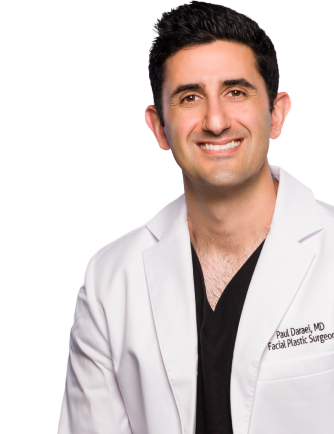
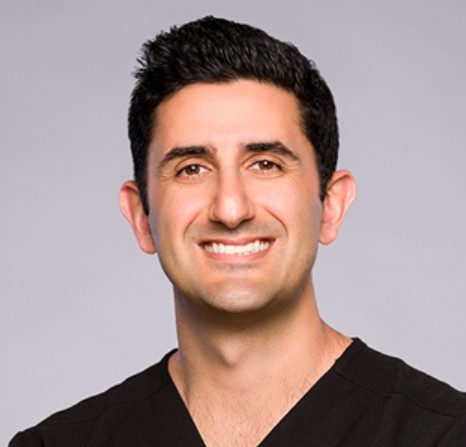
Paul Daraei, MD
Dr. Paul Daraei is deeply committed to excellence and patient-centered care. As a Double Board-Certified Facial Plastic Surgeon, he specializes in all surgical and non-surgical procedures of the head and neck. Dr. Daraei completed a rigorous head and neck surgical program, followed by a fellowship dedicated solely to cosmetic facial plastic surgery. He has worked with prestigious and elite surgeons nationally and internationally to provide comprehensive and state-of-the-art care for his patients in the Atlanta area.
Learn more about DR. daraei
“Absolutely no Judgment”
This was my first foray into the world of plastic surgery. While I try to keep myself in shape, the condition around my eyes made me look old and tired. Of course, I was nervous when I met with Dr. Daraei and his staff for the consultation. Everyone was very nice and there was absolutely no judgment projected toward me by any of the staff.
In fact, the entire staff and Dr. Daraei seemed genuinely enthusiastic about helping me feel better about my appearance.
“Dr. Daraei is the best doctor”
If you're interested in rhinoplasty, Dr. Daraei is the best doctor to go to! I came to him with a deviated nose and severe breathing issues.
Now, only a month out of surgery, my breathing is amazing and my nose looks beautiful! I cannot say enough amazing things about Dr. Daraei and his work!!
“I love the results”
Dr. Daraei was initially recommended to me by a friend. I was particularly picky about who I wanted to do my rhinoplasty because I have ethnic features and I've also heard of people needing more expensive repeat procedures to fix their first rhinoplasty.
He has made the experience very smooth by being thorough, reassuring, and patient. I am about a year post op and I love the results, can't recommend him enough!
“I never felt rushed”
During the consultation all my questions were answered and Dr.
Daraei suggested the tissue removal from my eyelids. He mentioned the slightly swollen look that I thought was a sinus condition. When he showed me how much of my eyelid was hidden, l was amazed. He then took the time to explain the procedures I might want and answered every question I had. At no time did he make me feel pressured or rushed or that he had somewhere else to go.
“Would do it Again!”
Dr. Paul Daraei performed blepharoplasty on both my eyes. He removed the very pronounced bags from under my eyes and removed tissue from my upper eyelids that made it look like I did not have eyebags, when my eyes were open. Let me say this is the best thing I have done for my appearance and would do it again!
Dr. Paul Daraei is a double board-certified facial plastic surgeon recognized for his exceptional skill, academic excellence, and leadership in the field of facial aesthetics. With advanced fellowship training and thousands of surgical cases completed at Emory University, he combines technical precision with an artist’s eye for natural results. As an affiliate professor and published author in leading medical journals, Dr. Daraei continues to advance the field through teaching, research, and innovation. His commitment to excellence and patient-centered care has established him as one of Atlanta’s most trusted authorities in facial plastic and reconstructive surgery.