

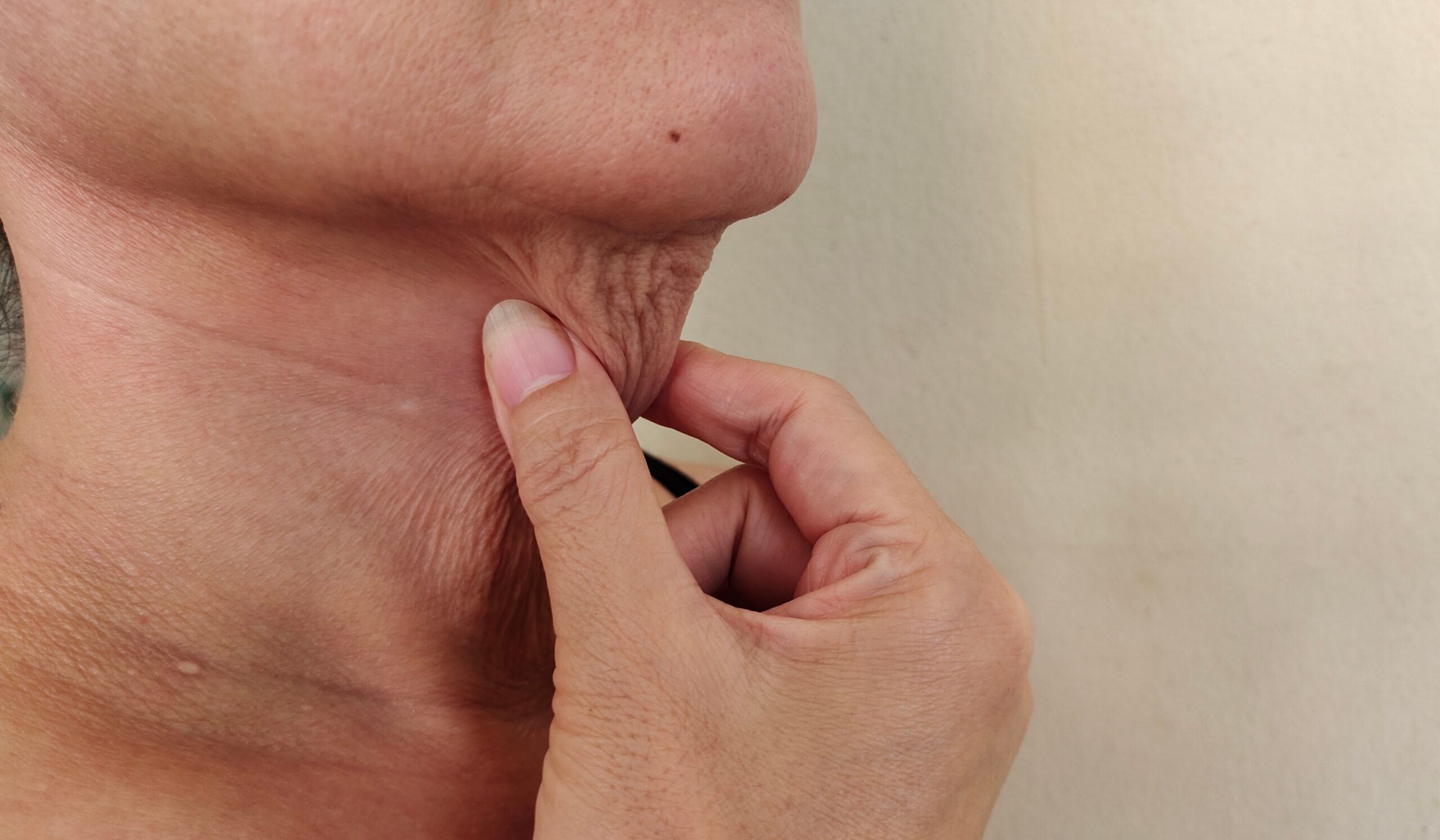
A neck lift is a surgical procedure designed to address visible changes in the neck and lower face, including loose skin, banding caused by the platysma muscle, and excess submental fat that can alter the definition of the jawline. Understanding whether this procedure aligns with your anatomy, health history, and goals is essential before taking any next step.
Dr. Paul Daraei can give you the clinical framework to evaluate your candidacy honestly. Candidacy for neck lift is not a simple checklist. It involves an assessment of your skin quality, underlying anatomy, overall health, and what you realistically hope to achieve. The sections below walk through the key variables that inform this decision.
What Physical Signs Suggest You May Be a Good Candidate for Neck Lift?
The most straightforward way to begin evaluating neck lift candidacy is to assess the visible changes that patients most commonly seek to address. In our practice, these tend to fall into three anatomical categories.
Skin Laxity and Soft Tissue Changes
Skin laxity along the jawline and beneath the chin is one of the most common reasons to consider a neck lift. When the skin loses elasticity over time, it may begin to droop, creating the appearance of jowls or a loss of definition between the neck and chin. Patients with moderate to significant laxity who have enough skin elasticity remaining to respond well to surgical repositioning are generally considered stronger candidates than those with very thin or severely sun-damaged skin.
Platysmal Banding
The platysma is the broad, flat muscle that runs along the front of the neck. With age, the edges of this muscle can become visible as vertical bands beneath the skin. A neck lift that includes platysma repair, sometimes called a platysmaplasty, addresses this underlying muscular anatomy directly. This is one reason the procedure can produce results that appear natural rather than simply tightened: the structural work is done beneath the surface.
Submental Fat Accumulation
Excess fat beneath the chin can contribute to a reduced cervicomental angle, the angle formed where the neck meets the chin. Some patients find that this concern is better addressed with isolated liposuction or deep neck contouring in Atlanta, while others require a more comprehensive neck lift to address skin and muscle as well. The right approach depends on your specific anatomy, which is why a thorough in-person evaluation matters.
Health, Age, and Realistic Expectations: Additional Candidacy Factors
Physical signs alone do not determine candidacy. Several non-anatomical factors carry equal weight in a surgeon’s evaluation.
Overall Health and Medical History
Neck lift surgery, like any elective procedure, requires that candidates be in good general health. Conditions that affect wound healing, bleeding, or tolerance to anesthesia are evaluated carefully. Nicotine use is a particularly significant consideration, as it impairs circulation and can compromise healing outcomes. Patients are typically asked to discontinue nicotine products well in advance of surgery. Dr. Daraei reviews each patient’s complete medical history during the consultation to assess whether surgery is appropriate and safe.
Realistic Goals and Psychological Readiness
Patients who tend to be the most satisfied after neck lift surgery are those who seek improvement, not perfection. The goal is a more balanced, refreshed appearance that still looks like you. In consultations, Dr. Daraei takes an unhurried approach to understanding what each patient actually wants and whether surgical intervention is the most appropriate path to achieve it. Patients who carry unrealistic expectations about the extent or permanence of results are better served by a candid conversation before committing to surgery.
Age Range and Skin Quality
Neck lift patients span a wide age range, typically from the late thirties into the seventies, though the presentation and goals differ meaningfully across that spectrum. Younger patients may present primarily with submental fat or early platysmal banding, while older patients more often have combined skin, muscle, and fat concerns. Some patients whose concerns extend beyond the neck may benefit from evaluating combined procedures; you can learn more about those options on the deep plane facelift page or the broader facelift overview for Atlanta patients.
What Makes Neck Lift Candidacy Assessment Different at This Practice
Not every neck lift evaluation follows the same framework, and the depth of that assessment matters. Because Dr. Daraei specializes exclusively in the head and neck, every candidacy conversation draws on a level of anatomical focus that general plastic surgeons may not replicate.
In our practice, candidacy assessment includes evaluating the relationship between the neck, jawline, and lower face as a connected system rather than isolated areas. For some patients, addressing only the neck while leaving adjacent areas untreated can create visual imbalance. For others, the neck alone is the precise concern. Distinguishing between these scenarios requires careful anatomical evaluation and honest communication about what surgery can and cannot accomplish.
Dr. Daraei also considers whether non-surgical options might serve a patient’s goals at this stage of their aging process. For patients who are not yet surgical candidates, non-surgical facial cosmetic options may offer meaningful improvement while delaying or complementing eventual surgery. The consultation is also where patients who have questions about timing, cost, or recovery find direct answers.
Why Choose Dr. Paul Daraei in Atlanta, GA?
For Atlanta-area patients evaluating neck lift surgery, the choice of surgeon carries significant weight. Dr. Paul Daraei is double board-certified by both the American Board of Facial Plastic and Reconstructive Surgery and the American Board of Otolaryngology, Head and Neck Surgery. He completed his residency at Emory University with over 3,000 surgical cases, followed by a dedicated fellowship in facial plastic surgery. That depth of training, focused entirely on the face and neck, is a meaningful clinical differentiator.
Dr. Daraei also serves as an affiliate professor at Emory University’s Department of Otolaryngology, training the next generation of surgeons while maintaining an active surgical practice. His published research and presentations at national and international conferences reflect a commitment to advancing the field, not simply practicing within it. For patients throughout Atlanta and the surrounding region, this combination of academic standing, focused specialization, and a patient-centered consultation style offers a foundation for confident decision-making.
Frequently Asked Questions
Can I be a good candidate for a neck lift if I am in my forties?
Age alone does not determine candidacy. Many patients in their forties present with early platysmal banding, submental fat accumulation, or mild skin laxity that may respond well to surgical intervention. In some cases, a more targeted procedure addresses the concern effectively without a full neck lift.
Will a neck lift also improve my jawline?
A neck lift can improve the definition of the lower face and jawline by repositioning tissue and addressing laxity in the submental and submandibular region. However, the degree of jawline improvement depends on the underlying anatomy. Some patients achieve a more defined result when a neck lift is combined with complementary procedures. Dr. Daraei evaluates the relationship between the neck and lower face as a connected system during every consultation.
How long does recovery from neck lift surgery typically take?
Most patients plan for one to two weeks of initial recovery, during which swelling and bruising are most noticeable. Light activity is generally resumed within the first week for most patients, with more physically demanding activity reintroduced gradually over several weeks. Final results continue to refine over the following months as residual swelling resolves. Individual recovery timelines vary, and Dr. Daraei provides detailed post-operative instructions tailored to each patient.
Are there patients who are not good candidates for neck lift surgery?
Patients with significant uncontrolled medical conditions, active nicotine use, or unrealistic expectations about surgical outcomes may not be appropriate candidates at a given time. Some patients with mild concerns may be better served by non-surgical options.
I am considering traveling to Atlanta specifically for this procedure. Is that common?
Yes, Dr. Daraei sees patients from across the country and internationally who seek a specialist with his level of focused training and academic credentials. The practice has resources specifically designed for out-of-town surgical patients, including guidance on planning your visit, coordinating pre-operative consultations, and ensuring continuity of care during recovery.
Schedule Your Neck Lift Consultation in Atlanta, GA
Dr. Paul Daraei serves patients throughout Atlanta, GA, and the surrounding region, offering consultations grounded in transparency, anatomical precision, and honest guidance. For details on getting started, schedule your consultation.
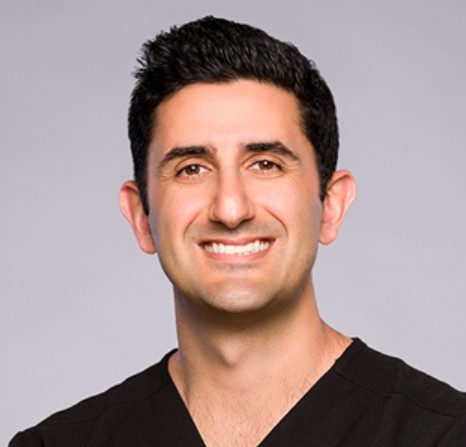
Dr. Paul Daraei is a double board-certified facial plastic surgeon recognized for his exceptional skill, academic excellence, and leadership in the field of facial aesthetics. With advanced fellowship training and thousands of surgical cases completed at Emory University, he combines technical precision with an artist’s eye for natural results. As an affiliate professor and published author in leading medical journals, Dr. Daraei continues to advance the field through teaching, research, and innovation. His commitment to excellence and patient-centered care has established him as one of Atlanta’s most trusted authorities in facial plastic and reconstructive surgery.