
This rhinoplasty FAQ: your questions answered guide was created to give prospective patients in Atlanta, GA, a clear, honest resource before their first consultation. Rhinoplasty is one of the most nuanced and technically demanding procedures in facial plastic surgery, and the questions patients bring to their consultations deserve direct, substantive answers. At the practice of Paul Daraei, MD, double board-certified facial plastic surgeon and Emory University affiliate professor, every consultation reflects personalized care.
Frequently Asked Questions About Rhinoplasty in Atlanta, GA
What is rhinoplasty?
Rhinoplasty is a surgical procedure that reshapes the nose to improve its appearance, its function, or both. Depending on each patient’s anatomy and goals, the procedure may address the nasal bridge, tip, nostrils, columella, and overall nasal symmetry. Dr. Daraei approaches every rhinoplasty with a focus on facial harmony, meaning the result should complement your existing features rather than simply alter an isolated structure. Because the nose is the face’s central feature, precision and restraint matter as much as technical skill.
How does rhinoplasty work?
Rhinoplasty is performed under general anesthesia using either an open or closed technique. In an open rhinoplasty, a small incision is placed along the columella, the narrow strip of tissue between the nostrils, allowing Dr. Daraei direct visualization of the underlying cartilage and bone. A closed approach keeps all incisions inside the nostrils. The choice of technique depends on the degree of correction needed and the underlying anatomy. Dr. Daraei’s training across more than 3,000 surgical cases at Emory University informs which approach is appropriate for each individual patient.
What concerns can rhinoplasty address?
Rhinoplasty may help address a wide range of nasal concerns, including a prominent dorsal hump, a wide or asymmetric tip, a drooping nasal tip, nostrils that appear too wide or too narrow, and an overall nose that feels disproportionate to the rest of the face. Functional concerns, such as a deviated septum contributing to breathing difficulty, can often be addressed at the same time through a septorhinoplasty. Dr. Daraei’s dual board certifications in both otolaryngology and facial plastic surgery position him to evaluate both the aesthetic and functional dimensions of nasal anatomy.
Am I a good candidate for rhinoplasty?
Good candidates for rhinoplasty are adults in generally good health whose nasal growth is complete, typically by late adolescence. Candidates should have specific, realistic goals and an understanding that rhinoplasty improves proportion and harmony rather than delivering an idealized or standardized result. Patients who are non-smokers, or who are willing to stop smoking well in advance of surgery, typically have smoother recoveries. Dr. Daraei evaluates each patient’s anatomy, skin thickness, and aesthetic goals during a comprehensive consultation before recommending any surgical plan. Learn more about his approach on the Our Approach page.
Who is rhinoplasty right for?
Rhinoplasty is right for patients who are motivated by their own goals, not external pressure. Ideal candidates approach the process with curiosity and a willingness to understand the procedure in depth. Patients who have done their research, who are drawn to a surgeon with documented depth of experience, and who value natural-looking outcomes over dramatic change tend to be the most satisfied. Dr. Daraei’s patient-centered philosophy means consultations are unhurried, judgment-free, and focused on what is right for your face, not a one-size-fits-all result.
What should I expect during my rhinoplasty consultation?
During your consultation at Paul Daraei, MD, you can expect a thorough evaluation of your nasal anatomy, skin quality, and facial proportions. Dr. Daraei will ask about your goals, your concerns, and any functional issues such as breathing difficulty. He may use imaging to discuss potential outcomes. The consultation is also your opportunity to ask questions openly. Patients often note that Dr. Daraei takes time to explain the reasoning behind his surgical recommendations, reflecting his background as a clinical instructor and published researcher in facial plastic surgery. To see examples of prior results, visit the facial procedure gallery.
How long does rhinoplasty take, and how long do results last?
Rhinoplasty typically takes two to four hours, depending on the complexity of the procedure. Patients should plan for the full day surrounding surgery. In terms of longevity, rhinoplasty results are considered long-lasting once the nose has fully healed and settled. The final shape of the nose continues to refine over 12 months or more as swelling resolves and tissues mature. Individual results may vary based on anatomy, skin type, and healing response.
What makes Dr. Daraei’s practice in Atlanta different for rhinoplasty?
Dr. Daraei’s practice is exclusively focused on the head and neck, meaning rhinoplasty is not one of many procedures performed across the entire body; it is part of a tightly defined area of deep specialization. He holds dual board certifications from both the American Board of Otolaryngology and the American Board of Facial Plastic and Reconstructive Surgery, a combination very few surgeons carry. His residency at Emory University involved more than 3,000 surgical cases, followed by a dedicated facial plastic surgery fellowship. He also serves as an affiliate professor at Emory, trains residents, and publishes research in peer-reviewed journals. That breadth of academic and clinical engagement is uncommon in private practice. Read more about his background on the Meet Dr. Daraei page.
What factors influence the cost of rhinoplasty?
Several factors affect the total cost of rhinoplasty, including the procedure’s complexity, whether functional correction is involved, the surgical facility, anesthesia, and pre- and post-operative care. Revision rhinoplasty, which addresses a prior surgery, is typically more involved than primary rhinoplasty and may reflect that in cost. Dr. Daraei’s practice does not publish set fees because surgical plans are individualized. Dr. Daraei provides a detailed cost breakdown during consultation. If financing is a consideration, information on available options is listed on the financing page; you are encouraged to ask about those options at your appointment.
What is recovery from rhinoplasty like?
Most patients wear a nasal splint for approximately one week following rhinoplasty. Bruising and swelling around the eyes and nose are common during the first one to two weeks. Most patients feel comfortable returning to non-strenuous work and social activities within ten to fourteen days, though they should avoid strenuous activity for several weeks. Swelling resolves gradually over several months, with the most refined results visible closer to the twelve-month mark. Dr. Daraei’s team provides detailed post-operative instructions, available on the post-op instructions page.
Is rhinoplasty safe?
Board-certified facial plastic surgeons perform rhinoplasty routinely, and most patients tolerate it well when a qualified surgeon performs it in an accredited facility. As with any surgical procedure, risks exist, and we discuss them in full during your consultation. Dr. Daraei’s approach to surgical planning, including thorough pre-operative evaluation and meticulous technique, reflects his commitment to patient safety and natural-looking outcomes. His double board certification and extensive hands-on training mean he evaluates both the aesthetic and anatomical dimensions of nasal surgery with equal care.
Why Choose Paul Daraei, MD for Rhinoplasty in Atlanta?
Dr. Paul Daraei is a double board-certified facial plastic surgeon whose entire practice is dedicated to the head and neck. That singular focus means his rhinoplasty expertise isn’t spread across general plastic surgery; it is concentrated where precision matters most. He completed his Emory University residency, which included more than 3,000 surgical cases, followed by a dedicated facial plastic surgery fellowship. His active roles as an affiliate professor, clinical instructor, and peer-reviewed author reflect a commitment to staying at the leading edge of his field. Patients in Atlanta and beyond choose Dr. Daraei because his credentials are not marketing language; they are documented, verifiable, and clinically meaningful.
Schedule Your Rhinoplasty Consultation in Atlanta, GA
If you have more questions about rhinoplasty that this rhinoplasty FAQ page did not cover, Dr. Daraei welcomes the conversation. His consultations are comprehensive, unhurried, and designed to give you the information you need to make a confident, well-informed decision. Complete the online form to schedule your consultation with Dr. Paul Daraei in Atlanta, GA today.
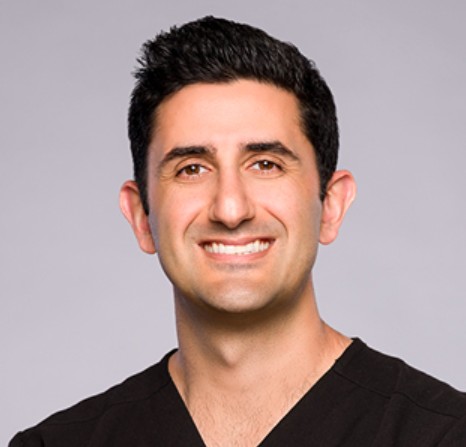
Dr. Paul Daraei is a double board-certified facial plastic surgeon recognized for his exceptional skill, academic excellence, and leadership in the field of facial aesthetics. With advanced fellowship training and thousands of surgical cases completed at Emory University, he combines technical precision with an artist’s eye for natural results. As an affiliate professor and published author in leading medical journals, Dr. Daraei continues to advance the field through teaching, research, and innovation. His commitment to excellence and patient-centered care has established him as one of Atlanta’s most trusted authorities in facial plastic and reconstructive surgery.