


When patients in Atlanta research rhinoplasty vs. non-surgical nose job options, they are typically weighing two very different paths to a similar goal: a nose that better fits the face. Both approaches can meaningfully improve nasal appearance, but they differ in mechanism, longevity, candidacy, and commitment. Understanding those differences is essential to making a confident, well-informed decision. At the practice of Dr. Paul Daraei, a double board-certified facial plastic surgeon, consultations are structured around your anatomy and your goals, not a predetermined recommendation. Contact Dr. Daraei’s office to schedule a personalized consultation.
What Is Rhinoplasty?
Rhinoplasty is a surgical procedure that reshapes the underlying bone and cartilage structure of the nose. Through carefully placed incisions, a surgeon modifies the framework of the nose to address concerns including a dorsal hump, wide or asymmetric nostrils, a bulbous or poorly defined tip, a crooked nasal bridge, or breathing impairment related to the nasal structure. Because changes are made at the structural level, results are long-lasting and comprehensive.
At Dr. Daraei’s Atlanta practice, rhinoplasty surgery is performed with a focus on facial harmony and proportion. The goal is not a generic, “operated” appearance but rather a result that looks balanced and natural for your specific facial anatomy. Recovery typically involves one to two weeks of initial downtime, with gradual refinement of the result continuing over several months as swelling fully resolves.
What Is a Non-Surgical Nose Job?
A non-surgical nose job, sometimes called liquid rhinoplasty, uses injectable dermal filler to temporarily alter the external appearance of the nose. By precisely placing filler along the nasal bridge, tip, or around contour irregularities, a skilled injector can soften a dorsal hump, improve symmetry, and refine projection without any incisions or anesthesia.
The procedure is performed in-office and requires no surgical recovery. Results are visible immediately, though some minor swelling may occur in the first day or two. Because filler is absorbable, results are not permanent and typically last anywhere from several months to over a year depending on the product used and individual metabolism. For patients curious about non-surgical facial cosmetic options more broadly, this procedure sits within a category of treatments that can complement or precede surgical intervention.
It is important to note that non-surgical rhinoplasty can only add volume and camouflage contour; it cannot reduce nasal size, narrow wide nostrils, or address functional breathing concerns.
Key Differences Between Rhinoplasty and a Non-Surgical Nose Job
How Each Approach Works
-
Rhinoplasty: Surgically modifies bone and cartilage for permanent structural change.
-
Non-Surgical: Injectables temporarily camouflage contour concerns by adding volume.
What Concerns Each Can Address
-
Rhinoplasty: Dorsal humps, nasal tip reshaping, asymmetry, size reduction, nostril refinement, functional breathing issues.
-
Non-Surgical: Minor dorsal irregularities, subtle asymmetry, tip projection camouflage; cannot reduce overall nasal size.
Results Timeline and Duration
-
Rhinoplasty: Final results emerge gradually over several months; long-lasting outcomes.
-
Non-Surgical: Results are visible within days; duration ranges from several months to approximately one year.
Recovery
-
Rhinoplasty: Typically one to two weeks of initial downtime; most patients return to work within ten to fourteen days.
-
Non-Surgical: Minimal downtime for most patients; minor swelling or bruising may occur.
Ideal Candidate Profile
-
Rhinoplasty: Patients seeking structural change, size reduction, or functional improvement.
-
Non-Surgical: Patients with minor cosmetic concerns, those not ready for surgery, or those wishing to preview a potential result.
A side-by-side list captures the essential points, but the nuances matter considerably. For example, a patient with a dorsal hump may appear to be a candidate for either option, but filler placed over a hump adds volume above and below it to create an illusion of smoothness, which can make the nose appear larger overall. Whether that tradeoff is appropriate depends on nasal size, facial proportions, and the magnitude of the hump. These are precisely the kinds of details that a thorough in-person consultation, with a surgeon who understands facial anatomy at a structural level, will clarify far better than any online comparison.
Which Is Right for You?
Selecting between rhinoplasty vs. a non-surgical nose job requires an honest assessment of your goals, anatomy, and personal readiness for surgery. Neither option is universally superior; each serves a different patient at a different point in their decision-making process.
Rhinoplasty is generally the stronger option for patients who want to reduce nasal size, correct a significant dorsal hump, refine a bulbous or drooping tip, address nostril width, improve nasal symmetry at a structural level, or resolve functional breathing concerns related to nasal anatomy. If your goal is comprehensive and long-lasting, surgery provides what injectables cannot.
A non-surgical nose job may suit patients with minor cosmetic concerns who prefer a non-invasive approach, those not yet ready for a surgical commitment, or those who want to preview how a specific change might look before committing to a permanent result. Some patients use filler as a temporary bridge while planning a future surgical procedure.
Dr. Daraei’s consultations are structured to give you specific, honest guidance. He reviews your facial anatomy, discusses your goals without judgment, and provides a clear recommendation grounded in what your anatomy and desired outcome actually require. You can learn more about his philosophy by reviewing his approach to facial plastic surgery.
Why Choose Dr. Paul Daraei for Rhinoplasty in Atlanta?
Dr. Daraei is a double board-certified facial plastic surgeon, holding dual certification from both the American Board of Facial Plastic and Reconstructive Surgery and the American Board of Otolaryngology, Head and Neck Surgery. He trained at Emory University, completing over 3,000 surgical cases before an additional dedicated fellowship in cosmetic facial procedures. That volume of experience before entering private practice is uncommon and translates directly into technical precision and sound clinical judgment.
His practice focuses exclusively on the head and neck. Every surgical case, every technique refined, every anatomical nuance studied is within this one region. He serves as an affiliate professor at Emory’s Department of Otolaryngology, publishes in peer-reviewed journals, and presents at national and international conferences. Patients researching rhinoplasty before-and-after results in Atlanta can review outcomes in the revision rhinoplasty photo gallery and learn more about Dr. Daraei’s credentials on the About Dr. Daraei page.
Frequently Asked Questions
Is rhinoplasty more expensive than a non-surgical nose job?
Generally, yes. Rhinoplasty involves surgical facility fees, anesthesia, and surgeon fees that reflect the complexity and permanence of the procedure. A non-surgical nose job carries lower upfront costs but requires repeat treatments as filler absorbs over time. Over several years, ongoing filler costs can approach or exceed a one-time surgical investment. Financing options may be available; ask at your consultation for details.
Can rhinoplasty and filler be combined?
In most cases, they are not performed together. Some patients use filler before rhinoplasty to preview a result, but active filler in the nose can complicate surgical planning. After rhinoplasty, once healing is complete, small amounts of filler may occasionally be used to refine a minor irregularity. Your surgeon will advise you on timing and whether any combination approach is appropriate for your situation.
How do recovery timelines compare?
After rhinoplasty, most patients take one to two weeks away from work and social activities, with a splint worn for approximately one week. Residual swelling continues to resolve over several months. After a non-surgical nose job, most patients resume normal activities the same day or the next. Minor bruising or swelling may occur for a few days. The procedures are not comparable in terms of recovery commitment.
How do I choose a qualified provider for either procedure?
For rhinoplasty, look for a board-certified facial plastic surgeon with extensive experience in nasal surgery specifically. For non-surgical nose jobs, the injector’s anatomical knowledge is critical, as the nasal area carries real risks if filler is placed incorrectly. In either case, verify credentials, review before-and-after photos, and prioritize consultation quality over pricing or convenience.
What results can I realistically expect from each procedure?
Rhinoplasty may produce meaningful, long-lasting improvements in nasal shape, proportion, and, in some cases, nasal airflow, with results that become fully apparent after swelling subsides over several months. A non-surgical nose job may provide a subtle visual improvement in contour that lasts from several months to about one year. Individual results may vary based on anatomy, technique, and individual healing.
Schedule Your Rhinoplasty Consultation in Atlanta
If you are weighing rhinoplasty vs. a non-surgical nose job and want a direct, anatomy-based recommendation from a double board-certified facial plastic surgeon, Dr. Daraei’s Atlanta practice is prepared to give you that clarity. Call or contact the office online to request your consultation today.
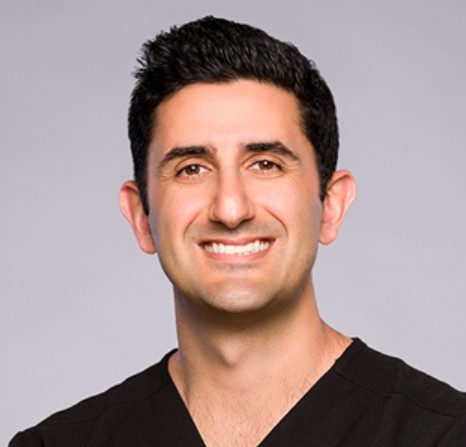
Dr. Paul Daraei is a double board-certified facial plastic surgeon recognized for his exceptional skill, academic excellence, and leadership in the field of facial aesthetics. With advanced fellowship training and thousands of surgical cases completed at Emory University, he combines technical precision with an artist’s eye for natural results. As an affiliate professor and published author in leading medical journals, Dr. Daraei continues to advance the field through teaching, research, and innovation. His commitment to excellence and patient-centered care has established him as one of Atlanta’s most trusted authorities in facial plastic and reconstructive surgery.