


Rhinoplasty before-and-afters are among the most useful research tools available to patients considering nose surgery in Atlanta, GA. They offer a concrete look at what surgical outcomes can realistically look like, how swelling resolves over time, and whether a surgeon’s aesthetic sensibility aligns with your own goals. At Daraei Facial Plastic Surgery, Dr. Paul Daraei is a double board-certified facial plastic surgeon with Emory training and more than 3,000 surgical cases completed before opening his private practice. If you are ready to begin a conversation, call us for details about scheduling a consultation.
How to Read Rhinoplasty Before and After Photos Accurately
Most patients arrive at their consultations having spent considerable time reviewing rhinoplasty before-and-after images online. That research is valuable, but only when you know what to look for. Before-and-after photos are not simply proof that surgery happened. They are clinical documentation of surgical judgment, anatomical understanding, and long-term healing.
Consistency in Lighting and Angle
Reliable before-and-after galleries use standardized lighting and identical camera angles across both images. When lighting shifts or the head tilts between shots, comparisons become unreliable. In our practice, we find that patients who scrutinize photo consistency tend to ask sharper questions during their consultations, which leads to better-informed decisions.
What the Photos Cannot Show
Still images do not capture how a nose moves with facial expression, how it looks in profile during conversation, or how it integrates with the face over years. For a broader look at documented outcomes across facial procedures, the facial procedure gallery at Daraei Facial Plastic Surgery provides additional context alongside rhinoplasty results.
Aesthetic Philosophy as Evidence
Perhaps most importantly, before-and-after photos reveal what a surgeon finds beautiful. Dr. Daraei’s approach consistently centers on facial harmony, balance, and results that look natural rather than operated upon. His outcomes are designed to be noticeable to the patient but not obvious to the rest of the room. Reviewing a surgeon’s full gallery, not just a curated highlight reel, gives you the clearest picture of what their typical work looks like.
The Rhinoplasty Healing Timeline and When Results Are Final
Understanding rhinoplasty results requires understanding the healing timeline. Many patients underestimate how gradual the process is, and that misunderstanding can create unnecessary anxiety in the weeks following surgery.
Weeks One Through Four
Initial swelling is most pronounced during the first two weeks. Most patients experience bruising around the eyes and nasal congestion as internal tissues heal. External splints are typically removed around day seven, providing a first impression of the new shape, though significant swelling remains at this stage.
Months One Through Six
By the six-week mark, most patients feel comfortable returning to social settings. The nose continues to refine gradually. Tip definition, which is often the last area to fully emerge, may remain slightly soft through month four or five. Reviewing our detailed post-operative instructions can help patients plan their recovery with realistic expectations.
The One-Year Mark
For most patients, the nose reaches its final, settled appearance between nine and twelve months post-surgery. This is why reputable rhinoplasty before-and-after galleries include photos taken at the one-year mark rather than at six weeks. At Daraei Facial Plastic Surgery, Dr. Daraei completes a dedicated facial plastic surgery fellowship on top of his Emory residency, and that level of training directly informs how he plans for long-term outcomes rather than early appearances.
Rhinoplasty Before and Afters: What Influences Your Individual Results
No two rhinoplasty outcomes are identical, and understanding the variables that shape results helps patients enter the process with accurate expectations. Rhinoplasty before-and-afters from one patient cannot be directly transplanted onto another because the starting anatomy differs in ways that significantly affect what is surgically achievable.
Skin Thickness
Thicker skin can obscure refined cartilage work, while thinner skin makes every structural detail more visible. Dr. Daraei assesses skin type during every consultation as a primary factor in surgical planning. This anatomical evaluation is one reason his outcomes tend to look proportionate rather than generic.
Structural Considerations
The underlying cartilage and bone framework, including the septum, the upper and lower lateral cartilages, and the relationship between the nose and the chin, all shape what is achievable. For patients with concerns about chin projection, chin augmentation in Atlanta is sometimes considered alongside rhinoplasty to improve overall facial balance.
Functional Goals
Dr. Daraei’s dual board certifications in Otolaryngology and Facial Plastic and Reconstructive Surgery mean he approaches the nose from both functional and aesthetic perspectives, a distinction that matters when structural corrections are involved. You can review the full range of surgical facial procedures offered at the practice to understand how rhinoplasty fits within a broader treatment context.
Why Choose Dr. Paul Daraei for Rhinoplasty in Atlanta, GA
Patients throughout Atlanta and the surrounding area choose Dr. Daraei because his credentials extend well beyond board certification. He holds dual certification from both the American Board of Otolaryngology and the American Board of Facial Plastic and Reconstructive Surgery, a combination held by very few surgeons. His Emory University residency included over 3,000 surgical cases, a volume most surgeons do not reach across an entire career. He then completed a dedicated facial plastic surgery fellowship, and continues today as an affiliate professor at Emory’s Department of Otolaryngology.
His practice is limited exclusively to the head and neck. Every technique he refines, every case he studies, and every paper he publishes is in that one region. For patients who want a surgeon whose entire professional focus is the face, that specialization matters. To learn more about his training and approach, visit the full bio for Dr. Paul Daraei. Consultations are unhurried, judgment-free, and grounded in an honest conversation about what your anatomy can achieve.
Frequently Asked Questions
How soon after rhinoplasty can I expect to see results that look like the after photos in a gallery?
Most of the visible swelling resolves within the first four to six weeks, but the refined, final result typically appears between nine and twelve months after surgery. Rhinoplasty before and afters taken at the one-year mark are the most clinically meaningful. Your surgeon should give you a realistic milestone schedule based on your specific anatomy and surgical plan.
Am I a good candidate for rhinoplasty?
Candidates are generally adults in good overall health with complete nasal development, typically by the mid-to-late teens for women and somewhat later for men. Realistic expectations and clear aesthetic or functional goals are also important factors. The best way to assess candidacy is through a one-on-one consultation with a board-certified facial plastic surgeon who can evaluate your anatomy directly.
Does Dr. Daraei perform revision rhinoplasty?
Revision rhinoplasty, surgery performed on a previously operated nose, is among the most technically demanding procedures in facial plastic surgery. Dr. Daraei’s double board certification and high surgical case volume at Emory provide the anatomical foundation this type of work requires. Patients considering revision are encouraged to schedule a consultation to discuss what is structurally achievable given prior surgical changes.
Do rhinoplasty before-and-afters from other patients predict what my result will look like?
They can inform your expectations, but they cannot predict your specific outcome. Skin thickness, cartilage structure, and bone architecture differ among individuals and significantly influence results. Before-and-after galleries are most useful for evaluating a surgeon’s aesthetic philosophy and technical consistency, not for setting a template for your own nose.
Can rhinoplasty be combined with other facial procedures?
In appropriate candidates, rhinoplasty may be performed alongside procedures such as chin augmentation or other facial surgeries to improve overall balance. Combining procedures can reduce total recovery time compared to staging them separately, though candidacy depends on individual health factors and surgical complexity. Patients interested in facial rejuvenation more broadly may also find relevant information in our overview of deep plane facelift in Atlanta.
Get Started
If you are researching rhinoplasty before-and-afters and are ready to take the next step toward a consultation in Atlanta, GA, Dr. Paul Daraei welcomes the conversation. Contact us to schedule your consultation and discuss what may be achievable based on your individual anatomy and goals.
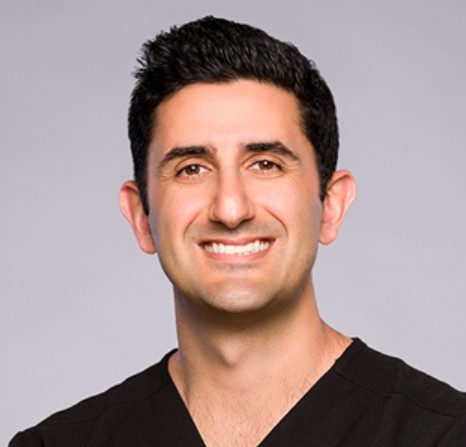
Dr. Paul Daraei is a double board-certified facial plastic surgeon recognized for his exceptional skill, academic excellence, and leadership in the field of facial aesthetics. With advanced fellowship training and thousands of surgical cases completed at Emory University, he combines technical precision with an artist’s eye for natural results. As an affiliate professor and published author in leading medical journals, Dr. Daraei continues to advance the field through teaching, research, and innovation. His commitment to excellence and patient-centered care has established him as one of Atlanta’s most trusted authorities in facial plastic and reconstructive surgery.