
Rhinoplasty is one of the most technically demanding procedures in facial plastic surgery, and candidacy is not a simple checklist. It involves anatomy, health history, realistic expectations, and a clear understanding of what surgery can and cannot accomplish. The team at Daraei Facial Plastic Surgery can help you think through those factors in depth, so that when you do consult with a surgeon, you are walking in informed. Individual results may vary, and a thorough in-person evaluation is the only way to confirm whether rhinoplasty is appropriate for your specific anatomy and goals.
Physical and Health Factors That Surgeons Evaluate for Rhinoplasty Candidacy
When evaluating whether a patient is a good candidate for rhinoplasty, a board-certified facial plastic surgeon will assess a range of physical and medical variables. Understanding what those variables are can help you prepare for your consultation.
Nasal Growth and Skeletal Maturity
Rhinoplasty is generally performed once nasal growth is complete. For most female patients, this occurs around age 15 to 16; for male patients, it is typically 16 to 17. Operating before skeletal maturity may compromise the final result because the underlying cartilage and bone structures are still developing. In our practice, we find that patients who present too early benefit from waiting and returning for a proper evaluation once development is complete.
Overall Health and Medical History
Candidates should be in good general health and free of active infections, uncontrolled chronic conditions, or bleeding disorders that could increase surgical risk. Patients who smoke are counseled on the importance of cessation prior to and after surgery, as smoking impairs wound healing and can affect outcomes. Certain medications, including blood thinners and some supplements, require a thorough pre-surgical review.
Structural Concerns That Rhinoplasty May Address
Patients who may benefit from rhinoplasty often have concerns about nasal bridge width or height, tip projection, nostril size or asymmetry, a dorsal hump, or nasal deviation. In some cases, functional issues such as a deviated septum coexist with cosmetic concerns, and both may be addressed in a single procedure.
Am I a Good Candidate for Rhinoplasty Based on My Goals and Expectations?
Physical health is only part of the candidacy picture. A surgeon evaluating your rhinoplasty candidacy will also spend considerable time understanding your goals, because the alignment between what surgery can achieve and what you expect it to achieve is critical to a satisfying outcome.
Realistic and Specific Goals
Candidates who tend to do well with rhinoplasty are those who have identified specific, well-defined concerns about their own appearance rather than seeking to resemble someone else entirely. The goal of rhinoplasty, as practiced at this level, is balance and harmony within your own facial architecture, not a transformation into a different face. Patients who come in with a clear articulation of what bothers them and an openness to hearing what is surgically achievable are typically the strongest candidates from an expectations standpoint.
Emotional Readiness and Motivation
Surgery should be pursued for personal reasons, not external pressure. Patients who are self-motivated, emotionally grounded, and prepared for a recovery period that spans weeks to months are far better positioned for a positive experience than those expecting rapid results. Swelling following rhinoplasty can persist for up to a year at the nasal tip, so final results require patience. For patients who are not yet ready for surgery or who have more subtle concerns, options such as liquid rhinoplasty may be a viable non-surgical alternative.
Prior Surgeries and Revision Considerations
If you have had a previous rhinoplasty and are unhappy with your results, revision rhinoplasty is a different and more complex undertaking. Scar tissue, altered cartilage structure, and modified anatomy from the initial procedure all increase technical difficulty. Dr. Daraei completed over 3,000 surgical cases during his Emory University residency alone, a volume that provides the technical foundation revision cases demand. Patients considering revision are encouraged to review the procedure gallery to develop a sense of aesthetic approach before the consultation.
What the Consultation Process Actually Involves
Understanding what happens during a rhinoplasty consultation can reduce anxiety and help you ask better questions. This is not a brief appointment. A thorough consultation with a skilled facial plastic surgeon involves multiple components that together build a complete clinical picture.
Anatomical Assessment
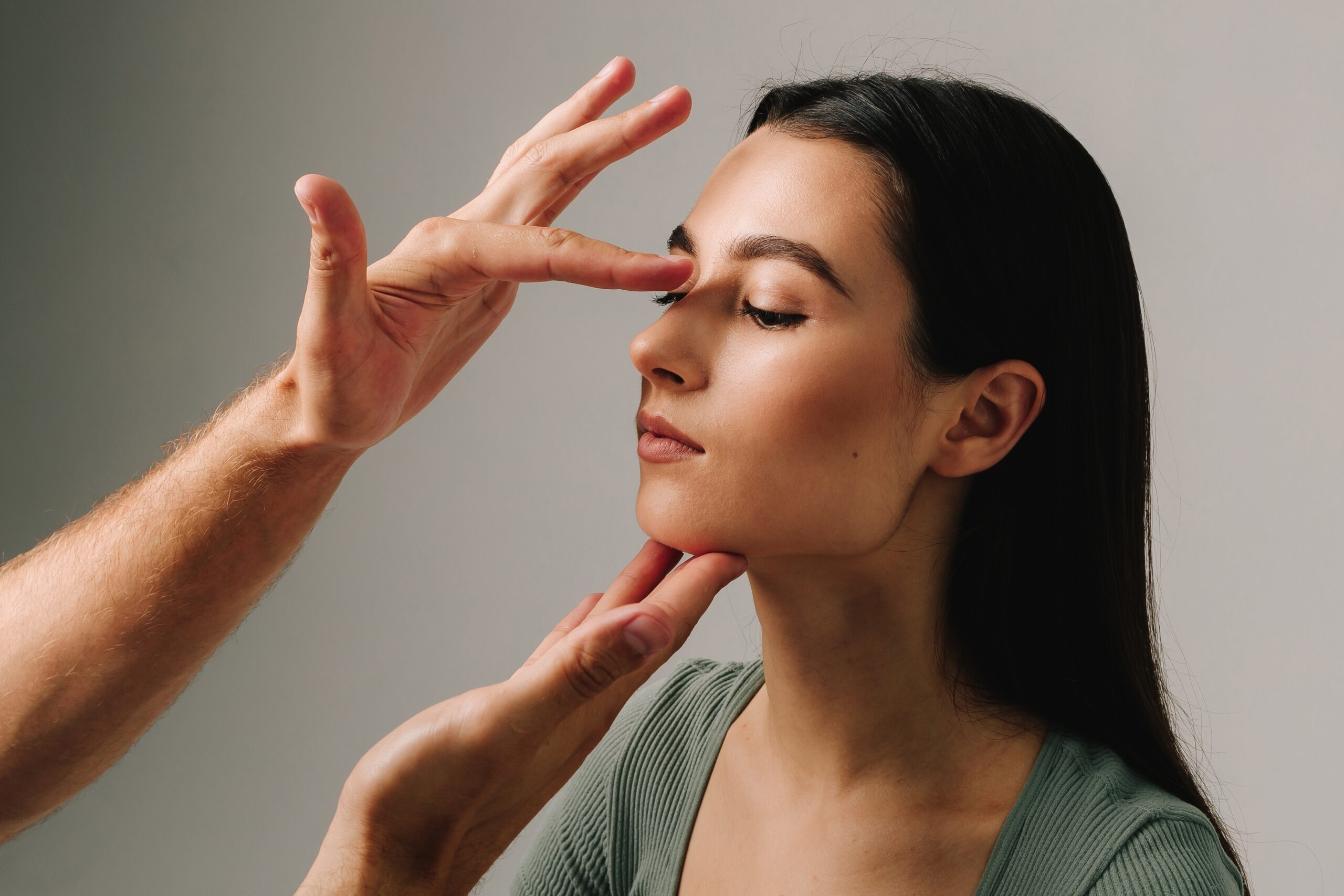
Dr. Daraei conducts a detailed assessment of nasal anatomy, including the cartilaginous and bony framework, skin thickness, tip support mechanisms, and the relationship between the nose and surrounding facial structures, such as the chin and forehead. Skin thickness, in particular, has a significant effect on what rhinoplasty can and cannot accomplish: thicker skin may limit the degree of definition achievable, while thinner skin can reveal every small irregularity.
Imaging and Simulation
In many cases, imaging or morphing software is used to facilitate goal-setting conversations. These tools are not guarantees of outcomes; they are communication aids. They help both the patient and the surgeon align on the direction of change sought, and they surface any gaps between what is desired and what is anatomically feasible.
Honest Discussion of Risks and Recovery
Every surgical consultation should include a candid discussion of risks, recovery timelines, and the possibility that a secondary procedure may be needed. Dr. Daraei’s approach, consistent with his academic background as an affiliate professor in Emory University’s Department of Otolaryngology, is to give patients complete information rather than a curated version.
Why Choose Dr. Paul Daraei for Rhinoplasty in Atlanta, GA?
Dr. Paul Daraei is a double board-certified facial plastic surgeon serving patients in Atlanta and the surrounding area, including Sandy Springs. He holds certification from both the American Board of Otolaryngology and the American Board of Facial Plastic and Reconstructive Surgery, a combination that reflects training in both the structural and aesthetic dimensions of the face. His Emory University residency encompassed over 3,000 surgical cases, followed by a dedicated fellowship in facial plastic surgery. He currently serves as an affiliate professor at Emory’s Department of Otolaryngology and continues to publish and present research at national and international conferences.
His practice focuses exclusively on the head and neck, meaning every case he takes, every technique he refines, and every outcome he studies is within that singular anatomical region. Patients considering rhinoplasty in Atlanta can expect a consultation built on transparency, technical depth, and a philosophy centered on natural-looking results that honor each patient’s individuality.
Frequently Asked Questions About Rhinoplasty Candidacy
How do I know if my concern is cosmetic, functional, or both?
Many patients present with a combination of cosmetic and functional concerns, such as a deviated septum alongside aesthetic dissatisfaction with nasal shape. During your consultation, Dr. Daraei will evaluate both dimensions. If a functional component is identified, it may be addressable in the same procedure.
Is there a weight or BMI requirement for rhinoplasty?
Rhinoplasty is a facial procedure and does not carry the same body-composition requirements as body-contouring surgery. However, overall health status matters. Patients with uncontrolled conditions that affect healing, circulation, or tolerance to anesthesia will be evaluated carefully.
Can I have a rhinoplasty if I have previously had filler injections in my nose?
Prior injectable filler in the nose may affect surgical planning. Certain filler materials can cause tissue changes that complicate the procedure. It is important to disclose all prior non-surgical treatments, including liquid rhinoplasty procedures, to your surgeon before any surgical consultation. In some cases, filler dissolution prior to surgery may be recommended.
How long does it take to see the final results after rhinoplasty?
Most patients see meaningful improvement within the first two to four weeks as major swelling subsides, but final results, particularly in the nasal tip, can take 10 to 12 months to fully emerge. Skin thickness influences how quickly the underlying work becomes visible. Patients should approach the recovery period with patience and realistic expectations about the timeline.
Are there non-surgical options for patients who are not surgical candidates?
Yes. Patients who are not ready for surgery, do not meet candidacy criteria, or prefer a non-permanent option may be candidates for non-surgical alternatives. Liquid rhinoplasty using injectable filler can address certain concerns, such as dorsal irregularities or minor asymmetries, on a temporary basis. Results are not equivalent to surgical rhinoplasty and are not appropriate for all concerns, but the option is worth discussing during a consultation.
Schedule Your Rhinoplasty Candidacy Consultation in Atlanta, GA
If you are still asking yourself whether you are a good candidate for rhinoplasty in the Atlanta area, a consultation with Dr. Paul Daraei is the most informed next step you can take. Every evaluation is conducted with the same transparency, technical depth, and unhurried attention that defines this practice. To schedule your consultation, contact the practice directly.
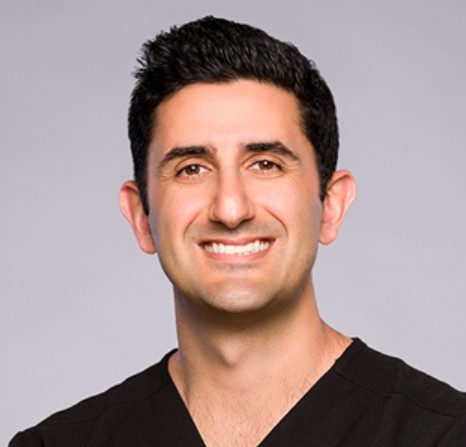
Dr. Paul Daraei is a double board-certified facial plastic surgeon recognized for his exceptional skill, academic excellence, and leadership in the field of facial aesthetics. With advanced fellowship training and thousands of surgical cases completed at Emory University, he combines technical precision with an artist’s eye for natural results. As an affiliate professor and published author in leading medical journals, Dr. Daraei continues to advance the field through teaching, research, and innovation. His commitment to excellence and patient-centered care has established him as one of Atlanta’s most trusted authorities in facial plastic and reconstructive surgery.