


A comparison of facelift techniques is one of the most valuable research steps a prospective patient can take before scheduling a consultation. Not all facelift approaches address the same anatomical concerns, deliver the same longevity, or suit the same candidate profile. Understanding the meaningful differences among a traditional SMAS facelift, a mini facelift, and a deep plane facelift helps you arrive at your consultation with informed questions and realistic expectations. If you are ready to speak with a specialist, call for details to schedule a consultation with Dr. Paul Daraei.
Understanding the Core Facelift Techniques
Every facelift technique aims to address visible signs of facial aging, but the depth of tissue manipulation, the structures targeted, and the longevity of results differ substantially across approaches. A working comparison of facelift techniques starts with anatomy.
Traditional SMAS Facelift
The traditional facelift addresses the superficial musculoaponeurotic system, commonly called the SMAS layer, which lies beneath the skin. The surgeon lifts and repositions this fibromuscular layer independently of the overlying skin. This two-layer approach reduces the tension on the skin itself, helping to avoid the stretched or “pulled” look associated with older techniques. Recovery typically involves one to two weeks of downtime for most patients, with swelling and bruising resolving gradually over several weeks. Individual results may vary.
Mini Facelift
A mini facelift uses shorter incisions and addresses a more limited area, generally focusing on early jowling and mild lower facial laxity. Because the dissection is less extensive, downtime may be shorter for most patients. However, it is important to understand that a mini facelift does not address deeper structural descent and may not be appropriate for patients with significant volume loss, deep nasolabial folds, or advanced neck laxity.
The Deep Plane Facelift
The deep plane facelift represents a meaningfully different approach from both the traditional SMAS lift and the mini facelift. Instead of working above the SMAS layer, the deep plane technique releases and repositions the SMAS, along with the overlying soft tissue, as a single composite flap. This allows the surgeon to address the ligamentous attachments that tether the soft tissue to the underlying skeleton, structures that shallower techniques do not directly release.
Why Anatomical Depth Matters
By working at this deeper plane, the surgeon can reposition the mid-face, nasolabial folds, and jowls more comprehensively. Research and clinical experience suggest that deep-plane results may offer greater longevity than SMAS-only approaches, though individual outcomes vary. The technique also tends to produce a more natural-looking outcome because the tissue is moved in the direction it descended, rather than pulled laterally.
Deep Plane and Neck Considerations
Deep plane surgery is frequently combined with a neck lift to address platysma banding and submental laxity. Dr. Daraei performs neck lift procedures as part of his facial-only surgical practice, allowing comprehensive rejuvenation of the lower face and neck as a unified treatment plan. Recovery following deep plane surgery is typically longer than that of a mini facelift, and a thorough consultation is necessary to determine whether this level of intervention aligns with a patient’s goals and anatomy.
How to Evaluate Which Facelift Technique May Be Right for You
No facelift technique is universally superior. The right approach depends on the degree of soft tissue descent, skin quality, skeletal structure, age, health status, and the patient’s goals for recovery and longevity. A meaningful comparison of facelift techniques must account for all of these variables, which is why a detailed in-person evaluation with a qualified surgeon is the only reliable way to determine candidacy.
Questions Worth Asking at Your Consultation
Patients who arrive with data and questions tend to have more productive consultations. Consider asking your surgeon which anatomical layer will be addressed, whether ligamentous release is part of the plan, how the technique accounts for volume changes versus positional descent, and what the realistic timeline for visible results looks like. Also, ask whether complementary procedures, such as a neck lift or non-surgical treatments, might enhance or extend your outcome.
Candidacy Considerations
Most facelift candidates are between their mid-40s and late 60s, though surgery is evaluated on an individual basis rather than by age alone. Good general health, realistic expectations, and non-smoking status are consistently associated with favorable outcomes. Patients who are not yet candidates for surgery or who prefer a staged approach may benefit from treatments such as Morpheus8, which can help address skin texture and mild laxity in the interim. Individual results may vary across all approaches.
Why Choose Dr. Paul Daraei for Your Facelift in Atlanta, GA
Dr. Paul Daraei is a double board-certified facial plastic surgeon holding certification from both the American Board of Facial Plastic and Reconstructive Surgery and the American Board of Otolaryngology, Head and Neck Surgery. His residency at Emory University encompassed more than 3,000 plastic and reconstructive surgical cases, followed by a fellowship dedicated exclusively to cosmetic facial procedures. He is an affiliate professor in Emory’s Department of Otolaryngology, a published researcher, and a presenter at national and international conferences. His practice is limited exclusively to the head and neck, which means every surgical case, every refined technique, and every studied outcome centers on the same anatomical region.
Frequently Asked Questions
How long do facelift results typically last, and does the technique affect longevity?
Research suggests that deep plane facelifts may offer longer-lasting results than more superficial techniques because they address the ligamentous structures responsible for facial descent. Traditional SMAS facelifts also tend to produce durable outcomes. Mini facelifts generally address a more limited area and may show earlier recurrence of laxity in patients with significant aging changes. Individual results vary based on skin quality, genetics, and lifestyle factors.
Am I a candidate for a facelift if I also have significant neck laxity?
Yes, and in many cases, a facelift is performed in combination with a neck lift to comprehensively address lower facial and cervical changes. Neck laxity often involves loosening of the platysma muscle and submental skin, which requires separate but coordinated attention.
What is the recovery difference between a deep plane facelift and a mini facelift?
A mini facelift generally involves a shorter recovery period, with many patients returning to normal activities within 1 to 2 weeks. A deep plane facelift is a more extensive procedure and typically requires two to three weeks before most patients feel comfortable in public settings, with residual swelling resolving over several months.
Can non-surgical treatments be combined with or used instead of a facelift?
Non-surgical treatments such as injectables, radiofrequency microneedling, and energy-based devices can complement surgical results or serve as preliminary steps for patients who are not yet ready for surgery. However, they address different anatomical concerns. Surgery repositions descended tissue structures; non-surgical options primarily address skin texture, volume, and surface-level laxity.
Does Dr. Daraei see patients who are traveling to Atlanta from out of state?
The practice accommodates patients traveling from outside the Atlanta area and has a process in place to support consultations, surgical planning, and post-operative care for out-of-town patients. If you are considering traveling to Atlanta for a facelift consultation, the practice can provide guidance on scheduling and logistics.
Schedule Your Facelift Consultation in Atlanta, GA
If you have completed your facelift techniques comparison and are ready to discuss which approach may align with your anatomy and goals, Dr. Paul Daraei welcomes you to schedule a consultation at his Atlanta-area practice. Consultations are unhurried, judgment-free, and grounded in the anatomical precision that defines every aspect of this practice.
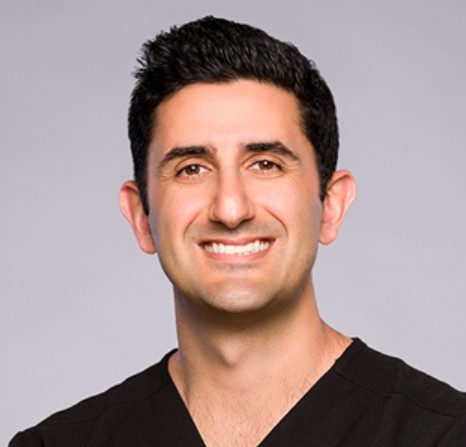
Dr. Paul Daraei is a double board-certified facial plastic surgeon recognized for his exceptional skill, academic excellence, and leadership in the field of facial aesthetics. With advanced fellowship training and thousands of surgical cases completed at Emory University, he combines technical precision with an artist’s eye for natural results. As an affiliate professor and published author in leading medical journals, Dr. Daraei continues to advance the field through teaching, research, and innovation. His commitment to excellence and patient-centered care has established him as one of Atlanta’s most trusted authorities in facial plastic and reconstructive surgery.