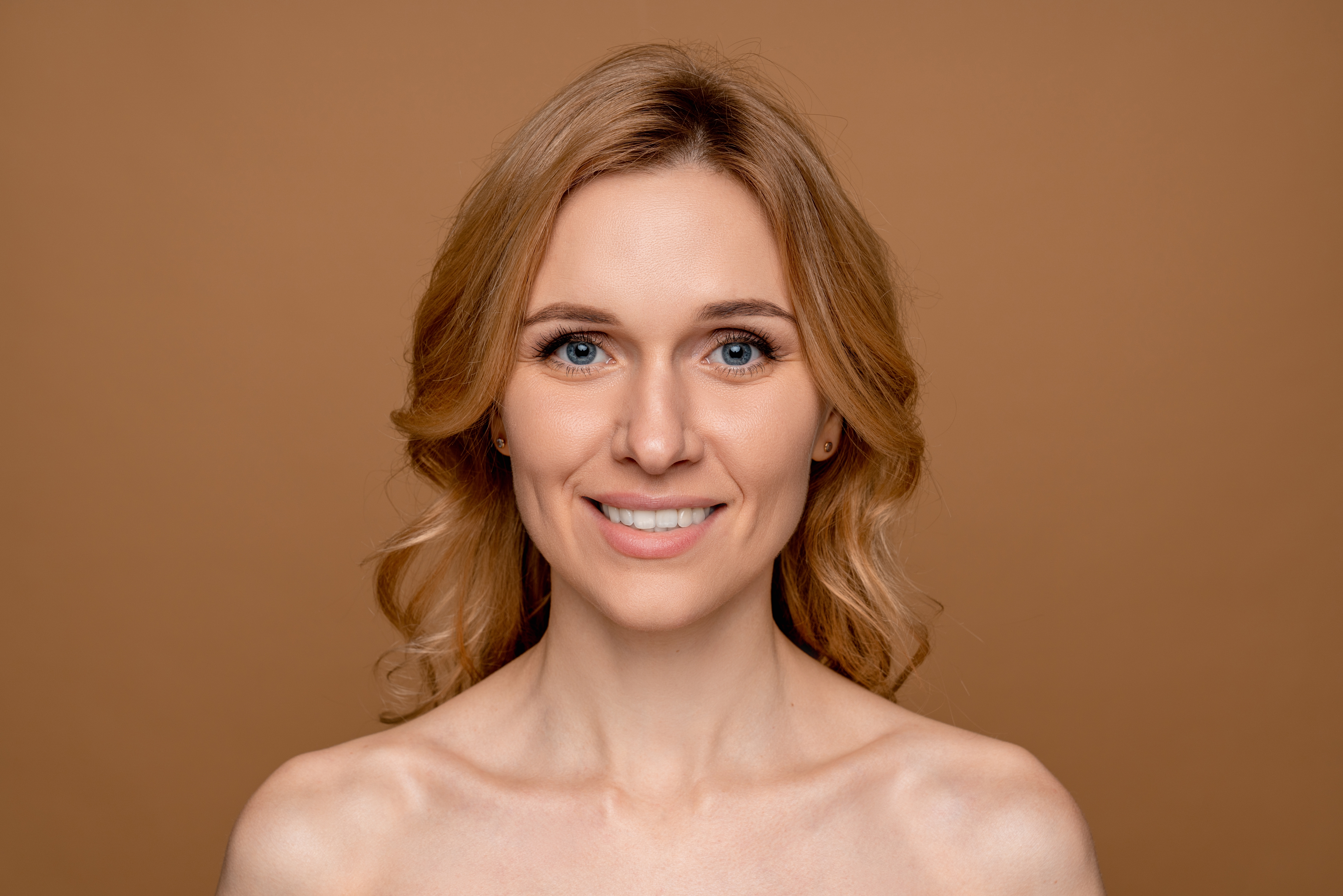


As we age, our facial structure changes, often leading to sagging cheeks, jowls, and loose skin around the neck. Facelifts are a popular solution for restoring a youthful, refreshed appearance, but not all facelifts are created equal. At Daraei Facial Plastic Surgery in Atlanta, GA, Dr. Paul Daraei offers both Deep Plane Facelift and SMAS Facelift techniques, each designed to address specific concerns and deliver natural results.
Understanding the SMAS Facelift
The SMAS Facelift focuses on the superficial musculoaponeurotic system, a layer of tissue beneath the skin that supports the facial muscles and fat. By lifting and repositioning this layer along with the overlying skin, the SMAS Facelift smooths out wrinkles, tightens sagging jowls, and improves the overall contour of the mid and lower face. This technique provides moderate changes while preserving a natural look.
Patients who choose a SMAS Facelift often benefit from a moderate recovery time of about two to three weeks. Most people experience swelling and bruising during the first week, which gradually subsides. This approach is typically recommended for individuals who want significant improvement in facial sagging but do not require extensive repositioning of the deeper tissues.
Learn more about the SMAS Facelift here.
Exploring the Deep Plane Facelift
The Deep Plane Facelift takes rejuvenation a step further by lifting both the skin and deeper facial structures in a single plane. In a Deep Plane Facelift, Dr. Daraei identifies the SMAS that is typically repositioned gently with a SMAS facelift and goes underneath the SMAS entirely. This allows the entire SMAS layer to be repositioned as a single unit, all the way down to the neck. In the neck, the SMAS transitions to the platysma muscle, which can become loose and cause banding. A Deep Plane Facelift, combined with a Deep Plane Necklift, can address banding along with jowls and midface tissue descent. Dr. Daraei repositions underlying muscles, fat, and connective tissue more effectively during a Deep Plane Facelift, particularly in the midface region. The result is a smoother, more youthful contour that addresses deeper folds and sagging that may not be fully corrected with a traditional SMAS Facelift.
Recovery from a Deep Plane Facelift is slightly longer, usually three to four weeks, due to the more extensive tissue repositioning. Swelling and bruising may be more pronounced initially, but the deeper lift often results in longer-lasting, natural-looking outcomes, making it ideal for patients with more advanced facial aging or those seeking a comprehensive rejuvenation.
Learn more about the Deep Plane Facelift here.
Choosing the Right Facelift Technique
The choice between a SMAS Facelift and a Deep Plane Facelift depends on several factors including age, skin elasticity, facial anatomy, and personal goals. Dr. Daraei performs the majority of his facelifts using the Deep Plane technique. During a personalized consultation, Dr. Daraei evaluates the degree of sagging, the depth of folds, and the overall facial balance to recommend the most appropriate technique. While both procedures aim to restore a youthful appearance, selecting the right approach ensures results that are natural, balanced, and tailored to each patient’s unique features.
Patients in their late 30s and early 40s might benefit from a SMAS Facelift for targeted lifting and preventative rejuvenation, while those in their 50s to 70s with deeper sagging may achieve better results with a Deep Plane Facelift. But one size does not fit all and a complete review of anatomy is necessary before deciding which surgery is best. Dr. Daraei’s extensive experience and training in advanced facial anatomy allow him to guide patients toward the approach that will maximize safety, recovery, and aesthetic outcome.
Learn more about facelifts in Atlanta here.
Expert Care and Realistic Results
At Daraei Facial Plastic Surgery, patient-centered care is at the forefront. Dr. Daraei ensures that each patient understands what to expect, including realistic outcomes, recovery timelines, and post-operative care. Both the SMAS and Deep Plane Facelift techniques are designed to enhance natural beauty rather than create an overdone appearance, allowing patients to look refreshed and confident.
If you are considering a facelift and want to explore which technique may be right for you, schedule a consultation with Dr. Paul Daraei. His expertise, combined with a commitment to personalized care, ensures that your facelift journey is safe, effective, and tailored to your goals.
Contact us online today to schedule your consultation and take the first step toward a rejuvenated, youthful appearance.
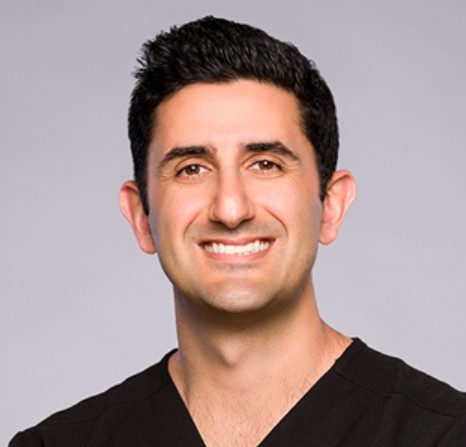
Dr. Paul Daraei is a double board-certified facial plastic surgeon recognized for his exceptional skill, academic excellence, and leadership in the field of facial aesthetics. With advanced fellowship training and thousands of surgical cases completed at Emory University, he combines technical precision with an artist’s eye for natural results. As an affiliate professor and published author in leading medical journals, Dr. Daraei continues to advance the field through teaching, research, and innovation. His commitment to excellence and patient-centered care has established him as one of Atlanta’s most trusted authorities in facial plastic and reconstructive surgery.