

Understanding the rhinoplasty recovery timeline is one of the most important steps you can take before scheduling your procedure. Recovery is a genuine concern, and patients who ask detailed questions about it are making exactly the right kind of decision. The honest answer is that rhinoplasty recovery is a process that unfolds over months, not days, and different phases carry different demands. Most patients find that the early weeks are more manageable than they anticipated, while the later stages require patience as the nose gradually settles into its final shape. This guide walks through each phase in detail so you know what to expect, when to expect it, and how to achieve the best possible outcome.
The First Week of Your Rhinoplasty Recovery
The First 24 to 48 Hours
Immediately following surgery, most patients experience nasal congestion, mild to moderate swelling, and bruising around the nose and under the eyes. Some degree of discomfort is normal and is typically well-managed with prescribed medication. A splint is placed over the nose to protect and support the structures as initial healing begins. Bleeding may be minimal in the first day or two. Patients should plan for a responsible adult to drive them home and remain with them for the first 24 hours. Rest is the priority. Sleeping with your head elevated above heart level, ideally with two or more pillows, helps reduce swelling. Avoid bending forward, straining, or any activity that elevates blood pressure. Cold compresses applied gently around the eyes (not directly on the nose) may help reduce bruising during this period.
Days 3 Through 7
Swelling and bruising typically peak around days 2 through 3, then begin to improve gradually. Most patients notice the bruising shifting in color and starting to fade toward the end of the first week. The splint remains in place during this period and is typically removed at the one-week follow-up appointment. Nasal congestion is common and expected as internal tissues heal. Strenuous activity, nose blowing, sun exposure, and wearing glasses that rest on the bridge of the nose should all be avoided. Most patients can return to light sedentary work, including remote desk work, somewhere between days 5 and 7, though this varies by individual. Your first follow-up visit is typically scheduled around day 7, at which point the splint is removed and progress is assessed.
Weeks 2 Through 4 and Beyond
After the splint is removed, patients often notice significant visible swelling that may feel discouraging at first. This is a normal and expected part of the rhinoplasty recovery timeline. During weeks 2 through 4, swelling continues to reduce in a nonlinear pattern, meaning some days may look better than others. Bruising is generally resolved for most patients by the end of week 2. Social and light professional activities are typically resumed around the 2-week mark for most patients, though individual healing varies. More vigorous activity, including cardiovascular exercise and weightlifting, is generally deferred until approximately 4 to 6 weeks post-procedure, pending clearance from Dr. Daraei.
At the 4-week mark, most patients report feeling comfortable in public and are pleased with the general direction of their results, even though the nose is still actively healing. Approximately 70 to 80 percent of swelling typically resolves within the first 6 to 8 weeks. The remaining swelling, particularly at the nasal tip, can take 6 to 12 months to fully resolve. Final results are generally considered visible at the 12-month mark, with some patients experiencing continued refinement through 18 months.
Tips for a Smooth Rhinoplasty Recovery
Prepare your home before surgery. Stock up on prescribed medications, saline nasal spray, soft foods, and supplies you may need for the first several days, so you do not have to make trips out during early recovery.
Keep your head elevated. Sleep on your back with your head elevated for at least the first 2 weeks to minimize swelling and reduce the risk of inadvertently shifting the nose during sleep.
Avoid sun exposure. Direct sun on healing nasal skin can worsen post-surgical discoloration and affect scar maturation. Use broad-spectrum SPF and physical protection when outdoors.
Stay hydrated and eat a balanced diet. Adequate hydration and proper nutrition support tissue repair. Avoid excessive sodium, which can worsen swelling.
Do not wear glasses on the nasal bridge. Glasses exert pressure on healing nasal bones and cartilage. This restriction typically lasts several weeks; your care team will advise when it is safe to resume normal eyewear use.
Follow post-operative instructions precisely. Dr. Daraei provides detailed written aftercare guidance specific to each patient. Deviations from those instructions, even well-intentioned ones, can affect healing outcomes.
Avoid smoking and alcohol. Both impair circulation and delay tissue healing. Smoking is associated with increased surgical risk and prolonged recovery.
When to Contact the Office
Most rhinoplasty recovery milestones are predictable, but certain signs warrant a prompt call to the practice. Contact the office if you experience any of the following:
Sudden or significant increase in bleeding that does not subside
Fever above 101 degrees Fahrenheit
Rapidly worsening pain that is not responding to prescribed medication
Significant asymmetry, visible displacement of the splint, or trauma to the nose
Signs of infection, including increasing redness, warmth, or unusual discharge
Any symptom that feels unexpected or causes concern
Dr. Daraei’s team takes post-operative concerns seriously. Patients are encouraged to call rather than wait if something does not feel right. Prompt communication is part of safe recovery.
Dr. Daraei’s Approach to Rhinoplasty Aftercare in Atlanta
Aftercare is not separate from surgery at this practice; it is an extension of it. Dr. Paul Daraei is double board-certified by both the American Board of Facial Plastic and Reconstructive Surgery and the American Board of Otolaryngology, Head and Neck Surgery. Patients receive detailed written aftercare instructions before they leave, with a follow-up visit typically scheduled on day 7 for splint removal. Additional follow-up appointments are structured to monitor healing at key milestones. The team is accessible to patients who have questions or concerns between visits. To learn more about Dr. Daraei’s background and training, visit the Dr. Daraei page.
Frequently Asked Questions About Rhinoplasty Recovery
How is post-operative discomfort typically managed?
Most patients describe discomfort rather than significant pain following rhinoplasty. Prescription pain management is provided for the initial days, with most patients transitioning to over-the-counter options by days 3 to 5. Nasal congestion and pressure are common contributors to discomfort during the first week. Dr. Daraei’s team provides specific guidance on medication use, and patients are encouraged to communicate openly about their comfort level throughout recovery.
When will I see my final rhinoplasty results?
Most patients see approximately 70 to 80 percent of their results within the first 6 to 8 weeks, as the majority of the swelling resolves. However, the nasal tip retains residual swelling longer than other areas, and final results are typically visible at the 12-month mark. Some patients continue to notice subtle refinement through 18 months. It is important to evaluate results with realistic expectations at each stage of healing. Individual results may vary based on skin thickness, anatomy, and the specific techniques used.
How should I care for incisions and scars after rhinoplasty?
For open rhinoplasty, a small incision is made at the columella, which heals to a very fine line in most patients. Specific scar care instructions, which may include silicone-based products and sun protection, are provided by Dr. Daraei’s team as the incision matures. Avoiding direct sun exposure to the incision site during the healing period is especially important. For closed rhinoplasty, all incisions are internal. Scar care protocols should always follow the specific guidance provided at your post-operative appointments.
Schedule Your Rhinoplasty Consultation in Atlanta
If you are considering rhinoplasty in Atlanta and want to understand what your specific recovery timeline might look like, the best next step is to have a direct conversation with Dr. Daraei. His approach is honest, unhurried, and grounded in data. Complete the online contact form to schedule your consultation and get answers specific to your anatomy, goals, and timeline.
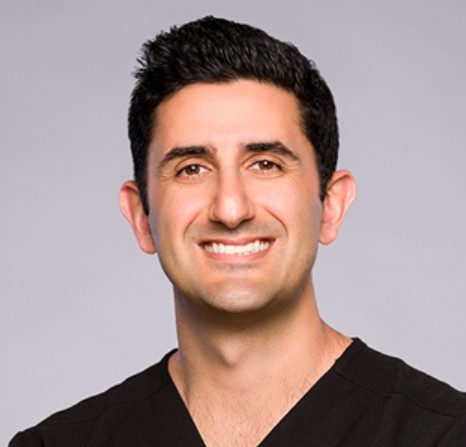
Dr. Paul Daraei is a double board-certified facial plastic surgeon recognized for his exceptional skill, academic excellence, and leadership in the field of facial aesthetics. With advanced fellowship training and thousands of surgical cases completed at Emory University, he combines technical precision with an artist’s eye for natural results. As an affiliate professor and published author in leading medical journals, Dr. Daraei continues to advance the field through teaching, research, and innovation. His commitment to excellence and patient-centered care has established him as one of Atlanta’s most trusted authorities in facial plastic and reconstructive surgery.