


Recovery from submental liposuction is generally straightforward compared to more extensive facial procedures, and most patients are pleasantly surprised by how quickly they are able to return to their normal routines. That said, the quality of your result depends significantly on how well you care for yourself during the healing process. Following the guidelines below carefully will help you heal comfortably, minimize complications, and achieve the most refined outcome possible.
What to Expect After Your Procedure
As a patient undergoing submental liposuction, it’s important to understand what you understand the side effects and other aspects of your recovery so you know what’s normal and what requires further attention. Some of what you can expect includes:
- Swelling and Bruising: Swelling and bruising beneath the chin and along the neck are a normal and expected part of recovery following submental liposuction. The first 3 days tend to be the most intense, with swelling and discomfort gradually increasing before beginning to subside. Do not be discouraged if you feel worse on day 3 or 4 than you did immediately after surgery; this is completely normal and temporary. Most visible swelling resolves within 2 to 3 weeks, though subtle swelling may persist for several months as the deeper tissues continue to settle.
- Discomfort: Mild to moderate soreness, tightness, and a feeling of pressure beneath the chin are typical during the first several days. Take your prescribed pain medication as directed, and always eat something before doing so to prevent nausea. After 5 days, most patients transition comfortably to Tylenol (acetaminophen) for any remaining discomfort. Ibuprofen may be resumed after 2 weeks.
- Numbness and Itching: Temporary numbness in the neck and chin area is a normal and expected side effect of the procedure. Sensation typically returns gradually over the weeks following surgery. Mild itching near the incision sites is also normal and signals that healing is actively taking place. Do not scratch or pick at the area.
- Compression Garment: You will be sent home with a neck sling or compression garment to wear over the treated area. Wear it continuously for the first 3 days, removing it only to shower. After 3 days, continue wearing it at home and during sleep for an additional week. This garment plays an important role in controlling swelling, supporting the skin as it redrapes, and helping the treated area conform smoothly to its new contour.
- Dressings: Your initial dressings will be removed within 24 hours of surgery. You will be seen for your first post-operative check the day after your procedure, at which point the care team will assess your healing and provide guidance for the days ahead.
- Sutures: Sutures are typically removed at your one-week post-operative appointment. Depending on the pace of healing, removal may take place up to 14 days after surgery.
When to Call Our Office Immediately: Please contact us right away if you experience any of the following:
- A fever of 101 degrees Fahrenheit or higher
- Redness that is spreading outward from the incision site
- Swelling that is causing difficulty eating, speaking, or breathing
- Active bleeding saturating more than a 4×4 piece of gauze
- Pus or cloudy drainage from the incision site
- Pain that is not relieved by your prescribed medication
What to Avoid After Your Procedure
The neck and chin area require protection and rest during recovery. Please observe the following restrictions:
- Avoid strenuous exercise, heavy lifting, and bending down to lift objects for at least 4 weeks after surgery. Physical exertion raises blood pressure and increases the risk of bleeding, prolonged swelling, and poor healing.
- Do not engage in any sexual activity for at least 2 weeks following your procedure.
- Avoid excessive facial movements during the first week, including exaggerated smiling, wide chewing, yawning, talking at length, or using straws. These movements place unnecessary strain on the healing tissues beneath the chin.
- Do not bump, stretch, or rub the face or neck for the first 3 to 4 weeks.
- Do not apply heat to the treated area, including heating pads or warm compresses. Similarly, do not apply ice or cold compresses directly to the area.
- Avoid using a blow dryer or curling iron near the chin and neck while any numbness is present. Because sensation is temporarily reduced, you may not realize you are burning yourself.
- Do not wear tops with tight, snug necklines that must be pulled over the head, as these can press on the incision site and interfere with healing.
- Do not submerge the incision area in water. This means no swimming, hot tubs, or soaking baths until the incisions are fully healed and free of scabbing, which typically takes 4 to 6 weeks.
- Do not apply makeup to or near the suture line for at least 3 days after surgery. After that point, makeup may be worn on other areas of the face, but continue to avoid the incision site itself until fully healed.
- Avoid direct sun exposure to the incisions. Once fully healed (typically 3 to 4 weeks), apply a broad-spectrum sunblock to the area whenever you will be outdoors to prevent darkening of the scar.
- Do not smoke or spend time around smokers for at least one month after surgery. Nicotine restricts blood flow to healing tissue and can significantly compromise both your recovery and your result.
- Do not consume alcohol during the first week following surgery, as it raises blood pressure and increases the risk of bleeding.
- Do not operate a motor vehicle while taking narcotic pain medication or within 24 hours of your last dose, and not until you can comfortably turn your head without straining the incision site.
- Do not take aspirin, ibuprofen, or vitamin E supplements for 2 weeks after surgery.
General Post-Operative Wound Care Instructions
Hygiene
For the first 48 hours after surgery, wash from the chest down only, keeping all dressings clean and dry. After your initial dressings are removed, you may shower and gently cleanse the neck and chin area. Avoid pulling or stretching the skin during washing.
Incision Care
Keep the incision sites clean as directed by Dr. Daraei. Apply a thin layer of antibiotic ointment such as Bacitracin to the incisions to prevent infection and support smooth healing.
Head Position
Sleep on your back with your head elevated on 2 to 3 pillows for the first week. Avoid lying on either side or twisting the neck during sleep. Elevated head positioning significantly reduces swelling and promotes faster resolution of bruising.
Blood Clot Prevention
While resting or seated for extended periods, regularly flex your feet by pointing your toes upward and pressing your heels downward. This engages the calf muscles and helps maintain healthy circulation.
Compression Garment
Consistent use of the compression garment, particularly in the first week, is one of the most important factors in achieving a smooth, well-contoured result.
Diet
Begin with soft, easy-to-chew, low-sodium foods in the days following surgery. A low-sodium diet helps minimize swelling by reducing fluid retention. Avoid hard, chewy, or oversized bites that require significant jaw and facial effort. Stay well hydrated with water throughout your recovery, and avoid alcohol for the first week.
Medications
Take all prescribed medications exactly as directed. Use narcotic pain medication only as needed for the first 3 to 5 days, and always take it with food. Because narcotics, anesthesia, and reduced activity can contribute to constipation, begin taking an over-the-counter stool softener such as Colace the evening of your surgery and continue as needed. Patients prone to constipation may prefer Miralax or Milk of Magnesia. If antibiotics were prescribed, begin them 2 days before surgery and complete the entire course. For nausea, take the prescribed anti-nausea medication approximately 20 minutes before your next pain medication dose.
Returning to Work
Most patients with non-strenuous jobs can return to work within 5 to 7 days following surgery.
Submental Liposuction Results
Submental liposuction delivers a refined, natural-looking improvement to the chin and neck profile that can take years off of one’s appearance. The reduction of submental fat creates a cleaner jawline and an overall sense of facial balance that patients often describe as looking like a more rested, youthful version of themselves.
Results are long-lasting. The fat cells removed during liposuction do not return, meaning that the structural improvement to the profile is permanent under normal circumstances. However, significant weight gain after the procedure can cause remaining fat cells in the area to enlarge, so maintaining a stable weight is important to preserving your outcome over time.
The full result of submental liposuction becomes apparent as swelling resolves, typically over the course of 2 to 3 months, with continued subtle refinement for up to 6 months following the procedure. Attending all scheduled follow-up appointments allows Dr. Daraei to monitor your healing, address any questions, and ensure you are progressing toward the outcome you envisioned.
Our team at Daraei Facial Plastic Surgery is with you every step of the way. Don’t hesitate to contact us with all your questions and concerns.
Paul Daraei, MD
Dr. Paul Daraei is deeply committed to excellence and patient-centered care. As a Double Board-Certified Facial Plastic Surgeon, he specializes in all surgical and non-surgical procedures of the head and neck. Dr. Daraei completed a rigorous head and neck surgical program, followed by a fellowship dedicated solely to cosmetic facial plastic surgery. He has worked with prestigious and elite surgeons nationally and internationally to provide comprehensive and state-of-the-art care for his patients in the Atlanta area.
Learn more about DR. daraei
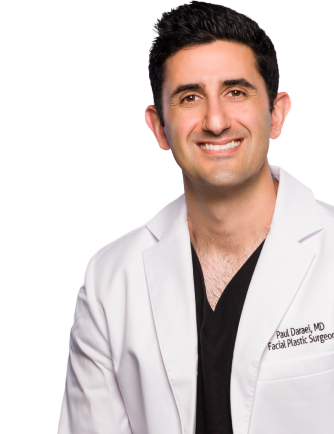










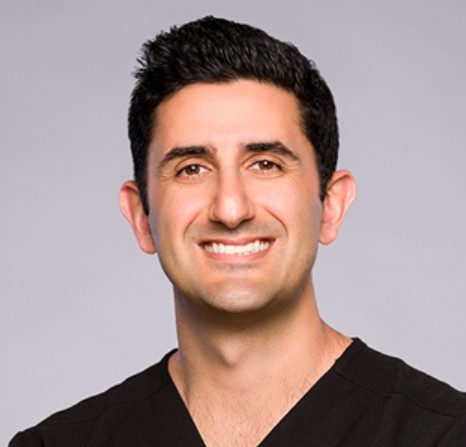
Dr. Paul Daraei is a double board-certified facial plastic surgeon recognized for his exceptional skill, academic excellence, and leadership in the field of facial aesthetics. With advanced fellowship training and thousands of surgical cases completed at Emory University, he combines technical precision with an artist’s eye for natural results. As an affiliate professor and published author in leading medical journals, Dr. Daraei continues to advance the field through teaching, research, and innovation. His commitment to excellence and patient-centered care has established him as one of Atlanta’s most trusted authorities in facial plastic and reconstructive surgery.