


Recovery following an SML is generally well tolerated, but healing occurs in stages. While friends and family may notice improvements relatively quickly, your tissues will continue to settle and refine for several months. Following your recovery instructions carefully will help protect your investment and support the best possible outcome.
Understanding the Early Healing Phase
The first several days after surgery are focused on controlling swelling and allowing the tissues to stabilize in their new position. During this time, it is normal to experience:
- Facial Fullness: The face may feel unusually firm, tight, or swollen. This is a temporary response to surgery and should not be mistaken for your final result.
- Mild Bruising: Bruising commonly develops around the cheeks, jawline, neck, and occasionally beneath the eyes. Most discoloration improves substantially within 10 to 14 days.
- Pressure Sensations: Patients often describe a feeling of pressure, tightness, or heaviness rather than significant pain. These sensations gradually diminish as healing progresses.
- Temporary Numbness: Areas around the ears, cheeks, and jawline may feel numb or less sensitive. Sensation typically returns gradually over the coming months.
- Asymmetrical Swelling: One side of the face may appear more swollen than the other. Mild swelling is normal during recovery.
- Drainage: Small amounts of pink-tinged drainage from incision sites may occur during the first day or two after surgery.
- Bandages and Garments: You may leave surgery with a facial dressing or supportive compression wrap. Follow all instructions regarding wear time and removal.
Signs That Require Immediate Attention
Contact our office immediately if you develop:
- Fever greater than 101 degrees Fahrenheit
- Sudden swelling that rapidly increases in size
- Severe pain that worsens rather than improves
- Bright red bleeding that continues despite gentle pressure
- Increasing redness or warmth surrounding the incisions
- Thick yellow, green, or foul-smelling drainage
- Shortness of breath or chest pain
- Any sudden change in facial movement that concerns you
Activity Restrictions During Recovery
Facial rejuvenation procedures require patience and protection during healing. To minimize complications and support optimal results:
- Avoid lifting anything heavier than 10 pounds during the first two weeks.
- Refrain from strenuous exercise until cleared by Dr. Daraei.
- Do not participate in activities that significantly elevate your heart rate or blood pressure.
- Avoid bending at the waist; instead, bend at the knees when necessary.
- Do not perform heavy household chores, yard work, or vigorous cleaning during early recovery.
- Avoid facial massages unless specifically recommended by your surgeon.
- Do not wear clothing that must be pulled tightly over your head.
- Avoid chewing gum or foods that require excessive jaw movement during the first week.
- Protect your face from accidental bumps, pressure, or trauma.
Caring for Your Incisions
Keeping Incisions Clean
Your incisions are typically located around the ears and hairline. Keep these areas clean and dry according to your post-operative instructions. Gently cleanse the incision sites as directed and apply any prescribed ointments. Avoid scrubbing or aggressively cleaning the area.
Hair Washing
In most cases, patients may carefully wash their hair within a few days following surgery. Use lukewarm water and a gentle shampoo, avoiding excessive rubbing near incision sites.
Scar Protection
As your incisions heal, protecting them from ultraviolet exposure becomes extremely important. Sun exposure can cause scars to darken and become more noticeable. Once approved by Dr. Daraei, use sunscreen consistently when outdoors.
Reducing Swelling and Promoting Recovery
Head Elevation
One of the simplest ways to reduce swelling is to keep your head elevated above heart level. Sleep with multiple pillows or in a recliner for the first week whenever possible.
Cold Compresses
Cold compresses may be used around the cheeks and neck during the first 48 hours. Avoid placing ice directly on incision sites and always use a protective cloth barrier.
Walking
Light walking is encouraged beginning the day of surgery. Short walks throughout the day help improve circulation and promote a smoother recovery.
Medications
Take all medications exactly as prescribed. Pain medication is typically needed only during the first several days. If discomfort becomes manageable, transition to Tylenol (acetaminophen) as directed. If you have been prescribed antibiotics, complete the entire course. Because prescription pain medications may contribute to constipation, consider using a stool softener and increasing your fluid intake. Avoid any medications, vitamins, or supplements that have not been approved by your surgeon, particularly those known to increase bleeding risk.
Nutrition and Hydration
Your body requires additional energy to heal after surgery. Focus on eating nutritious meals rich in lean protein, fruits, vegetables, and healthy fats. Staying hydrated is equally important. Drink plenty of water throughout recovery and limit sodium intake, as excess salt may worsen swelling.
Your SML Results
An SML provides subtle yet meaningful facial rejuvenation by restoring youthful contours and improving facial definition. Early improvements are often visible once swelling begins to subside, but your appearance will continue evolving throughout the healing process.
Most patients feel comfortable returning to social activities within a few weeks, although residual swelling may persist longer than expected. The tissues continue to soften and settle for several months, revealing a more refined, natural-looking outcome over time.
Contact Us
Dr. Daraei and the team at Daraei Facial Plastic Surgery remain available throughout your recovery. If you have questions regarding your healing, progress, or post-operative care, please get in touch with our office at any time. We are committed to ensuring your recovery is as smooth and successful as possible.
Paul Daraei, MD
Dr. Paul Daraei is deeply committed to excellence and patient-centered care. As a Double Board-Certified Facial Plastic Surgeon, he specializes in all surgical and non-surgical procedures of the head and neck. Dr. Daraei completed a rigorous head and neck surgical program, followed by a fellowship dedicated solely to cosmetic facial plastic surgery. He has worked with prestigious and elite surgeons nationally and internationally to provide comprehensive and state-of-the-art care for his patients in the Atlanta area.
Learn more about DR. daraei
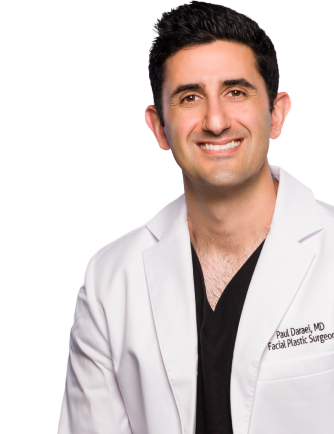









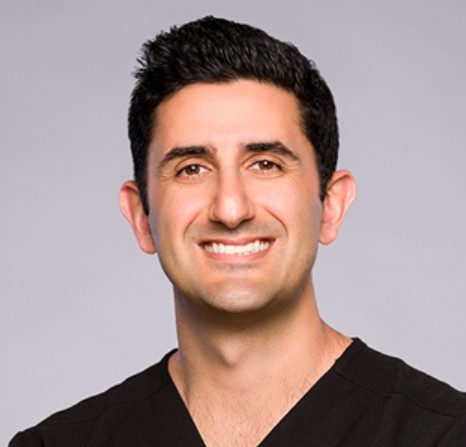
Dr. Paul Daraei is a double board-certified facial plastic surgeon recognized for his exceptional skill, academic excellence, and leadership in the field of facial aesthetics. With advanced fellowship training and thousands of surgical cases completed at Emory University, he combines technical precision with an artist’s eye for natural results. As an affiliate professor and published author in leading medical journals, Dr. Daraei continues to advance the field through teaching, research, and innovation. His commitment to excellence and patient-centered care has established him as one of Atlanta’s most trusted authorities in facial plastic and reconstructive surgery.