


Unlike ablative laser treatments that remove the surface layer of skin entirely, Fractora operates on a fractional principle. Only a fraction of the skin within the treatment zone is directly affected, leaving surrounding tissue intact to accelerate healing and reduce downtime. The RF energy heats the dermis precisely, which triggers a cascade of regenerative activity that continues for months after each session.
Recovery from Fractora is manageable and predictable for the majority of patients. Immediately following the procedure, the treated area will appear red, swollen, and may feel warm or tender to the touch. Over the next several days, the micro-injury sites will develop small dark scabs or pinpoint crusting, which is a normal part of the healing cycle. These will shed naturally over the course of one to two weeks. Following these post-operative instructions precisely will protect your results, reduce your risk of complications, and ensure the most complete recovery possible.
What to Expect After Your Procedure
Understanding the typical healing timeline will help you manage your expectations and recognize what is normal throughout the recovery period.
Immediately After Treatment (Hours 0 to 24)
- The skin will appear red, swollen, and flushed, similar in appearance to a sunburn. This is a normal and expected inflammatory response.
- A sensation of warmth or mild stinging at the treatment site is common for the first few hours following the procedure.
- Mild to moderate swelling, especially around the eyes and cheeks, is typical and generally peaks within the first 24 to 48 hours.
- The small pin marks from the applicator tip may be visible as a fine grid pattern on the skin.
Days 1 Through 3
- Redness and swelling will continue and may intensify slightly before beginning to subside.
- Small dark pinpoint scabs or crusting will begin to form over the micro-injury sites. Do not pick or scratch at these. Disrupting them prematurely can lead to scarring or hyperpigmentation.
- The skin may feel tight and dry. This is a normal part of the healing process as the outer layer of skin begins to regenerate.
- Mild bruising is possible in more sensitive areas, such as around the eyes.
Days 4 Through 7
- The small scabs will begin to loosen and flake off naturally. The skin beneath may appear pink or slightly raw during this phase.
- Itching is common during this phase and indicates active healing. Avoid scratching.
- Most patients find that they can apply makeup by day five to seven, once crusting has fully resolved. Use only non-comedogenic products and apply and remove them gently.
Weeks 2 Through 4
- The majority of visible healing is complete by the end of week two. Residual pinkness may persist, particularly in patients with fair skin.
- The skin will begin to feel noticeably smoother as new collagen production begins to take effect.
- A temporary period of sensitivity to sun exposure is expected. Sun protection is critical during this window.
Long-Term Healing (1 to 3 Months and Beyond)
- Continued improvements in skin texture, tone, and firmness will develop progressively as collagen remodeling takes place over the following two to three months.
- Final results from a single session become fully visible at approximately the three-month mark.
- Patients undergoing a series of treatments will see a cumulative improvement with each successive session.
What to Avoid After Your Procedure
Adhering to these restrictions is essential to protect the treated skin and support proper healing. Not sticking to these guidelines can impair recovery, lead to infection, or compromise your results.
Sun Exposure and Heat
- Avoid all direct sun exposure for a minimum of two weeks following treatment. The treated skin is significantly more vulnerable to UV damage during the healing period.
- Do not use tanning beds or self-tanning products for at least four weeks.
- Avoid prolonged exposure to heat sources, including saunas, steam rooms, and hot tubs, for two weeks.
- If you must be outdoors, wear a broad-spectrum SPF 30 or higher sunscreen on all treated areas and use a wide-brimmed hat for additional protection.
Skincare Products and Makeup
- Do not apply any active skincare ingredients to the treated area for at least 10 to 14 days. This includes retinoids, retinol, alpha-hydroxy acids, beta-hydroxy acids, benzoyl peroxide, and vitamin C serums.
- Avoid exfoliating scrubs, brushes, or any mechanical exfoliation on the treated skin for two weeks minimum.
- Do not apply makeup for the first 48 hours. After that, use only gentle, non-comedogenic, fragrance-free products.
- Avoid alcohol-based toners and astringents during the healing period as they can disrupt the skin barrier.
Physical Activity
- Avoid strenuous exercise, heavy lifting, and any activity that significantly raises your heart rate or body temperature for at least five to seven days. Increased circulation and sweating can impede healing and introduce bacteria to open micro-injury sites.
- Light walking is acceptable after the first 24 hours, but keep the intensity minimal during the first week.
Touching, Picking, and Manipulation
- Do not pick, scratch, rub, or otherwise manipulate the treated skin at any point during healing. Premature removal of crusting significantly increases the risk of permanent scarring and post-inflammatory hyperpigmentation.
- When washing your face, use only a gentle patting motion. Do not drag or scrub.
- Avoid pressing pillows or other surfaces firmly against the treated area while sleeping.
Medications and Supplements
- Avoid non-steroidal anti-inflammatory medications such as ibuprofen and aspirin for at least five days post-treatment unless otherwise directed by your provider, as these can thin the blood and prolong healing.
- Avoid alcohol consumption for 48 hours following your procedure, as it can increase inflammation and affect the immune response.
- Do not begin any new supplements or medications without first consulting with our team.
General Post-Operative Wound Care Instructions
Consistent wound care during the healing period is the single most important factor in preventing complications and ensuring a smooth recovery. Follow these instructions carefully for the duration specified.
Cleansing
- Gently cleanse the treated area twice daily using a mild, fragrance-free, non-medicated cleanser. Begin cleansing on the day following your treatment.
- Use lukewarm water only. Hot water can aggravate inflammation and discomfort in the treated tissue.
- Apply the cleanser with clean fingertips using a light circular motion, then rinse thoroughly. Pat dry with a clean, soft towel. Do not rub.
- Avoid washcloths, sponges, or exfoliating tools on the treated area throughout the healing period.
Moisturizing
- Apply a gentle, fragrance-free moisturizer or the post-procedure healing ointment recommended by our team immediately after cleansing. Keeping the skin hydrated supports faster healing and reduces the sensation of tightness.
- Reapply moisturizer throughout the day as needed, particularly if the skin feels dry or uncomfortable.
- Avoid heavy balms or petroleum-based products unless specifically directed, as these can trap debris against the skin and potentially clog pores during the active healing phase.
Sun Protection
- Apply a broad-spectrum SPF 30 or higher sunscreen every morning, regardless of whether you plan to be outdoors. UVA radiation penetrates windows and can affect healing skin even on overcast days.
- Reapply sunscreen every two hours if you are spending time outdoors.
- Continue dedicated daily sun protection as a permanent part of your skincare routine after the healing period. Protecting your investment in treatment is an ongoing commitment.
Managing Discomfort
- Over-the-counter acetaminophen can be taken according to package directions for mild discomfort during the first one to three days. Avoid aspirin and ibuprofen.
- A clean, cool compress applied gently to the treated area can help reduce swelling and provide comfort during the first 24 to 48 hours. Do not apply ice directly to the skin.
- Contact our office promptly if you experience signs of infection, including increasing redness that extends beyond the treatment area, warmth, discharge, or fever.
- It is normal for areas with greater treatment intensity to feel more uncomfortable. Report any pain that is severe, worsening, or that’s accompanied by other symptoms.
Sleeping
- Sleep with your head slightly elevated on an extra pillow for the first three to five nights to help minimize facial swelling.
- Use clean pillowcases and change them every one to two days during the initial healing period.
- Try to sleep on your back if possible to avoid pressing treated areas against fabric surfaces.
Fractora Results
Fractora produces lasting results when performed as part of a complete treatment plan. Understanding what drives your results will help you protect and maintain them long term.
The initial phase of improvement begins as soon as healing is complete, when patients notice smoother texture, reduced pore appearance, and a more uniform skin tone. This represents the surface-level remodeling that occurs in the weeks following treatment. However, the most significant improvements come from deeper collagen regeneration, which continues to develop over a period of two to three months following each session.
The full benefit of a Fractora series is typically achieved over the course of three to six months following your final session in the series. Most patients completing a recommended series of three sessions experience a notable reduction in the depth of wrinkles and acne scars, meaningful improvement in skin laxity, more refined pore size, and an overall improvement in skin quality and luminosity.
Results from Fractora are long-lasting but are not permanent in the sense that the natural aging process continues after treatment. Collagen produced during the healing response will gradually degrade over time, as all collagen does. The timeline for this varies based on individual factors, including genetics, lifestyle, sun exposure history, and skincare habits. Most patients find that results remain clearly visible for one to three years following a full treatment series.
To extend and maintain your results, our team recommends implementing a medical-grade daily skincare regimen that includes a broad-spectrum sunscreen, a topical retinoid, and appropriate antioxidant support. These products work synergistically to protect the new collagen that Fractora stimulates and slow the rate of future degradation. Maintenance sessions, performed once annually or as recommended, can also extend your results.
If you have any questions or concerns at any point during your recovery, please do not hesitate to contact our office. We are available to support you throughout every step of your Fractora treatment journey.
Paul Daraei, MD
Dr. Paul Daraei is deeply committed to excellence and patient-centered care. As a Double Board-Certified Facial Plastic Surgeon, he specializes in all surgical and non-surgical procedures of the head and neck. Dr. Daraei completed a rigorous head and neck surgical program, followed by a fellowship dedicated solely to cosmetic facial plastic surgery. He has worked with prestigious and elite surgeons nationally and internationally to provide comprehensive and state-of-the-art care for his patients in the Atlanta area.
Learn more about DR. daraei
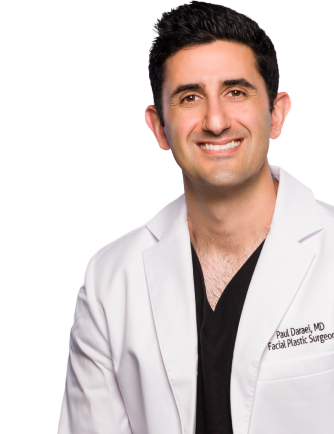










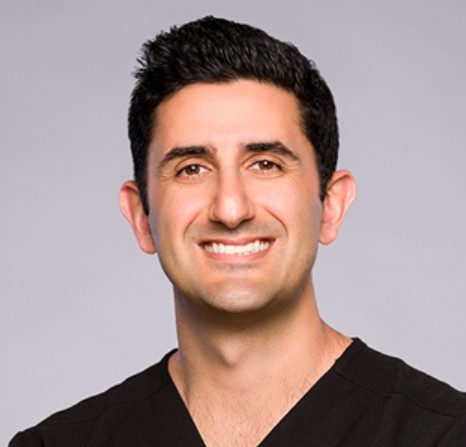
Dr. Paul Daraei is a double board-certified facial plastic surgeon recognized for his exceptional skill, academic excellence, and leadership in the field of facial aesthetics. With advanced fellowship training and thousands of surgical cases completed at Emory University, he combines technical precision with an artist’s eye for natural results. As an affiliate professor and published author in leading medical journals, Dr. Daraei continues to advance the field through teaching, research, and innovation. His commitment to excellence and patient-centered care has established him as one of Atlanta’s most trusted authorities in facial plastic and reconstructive surgery.