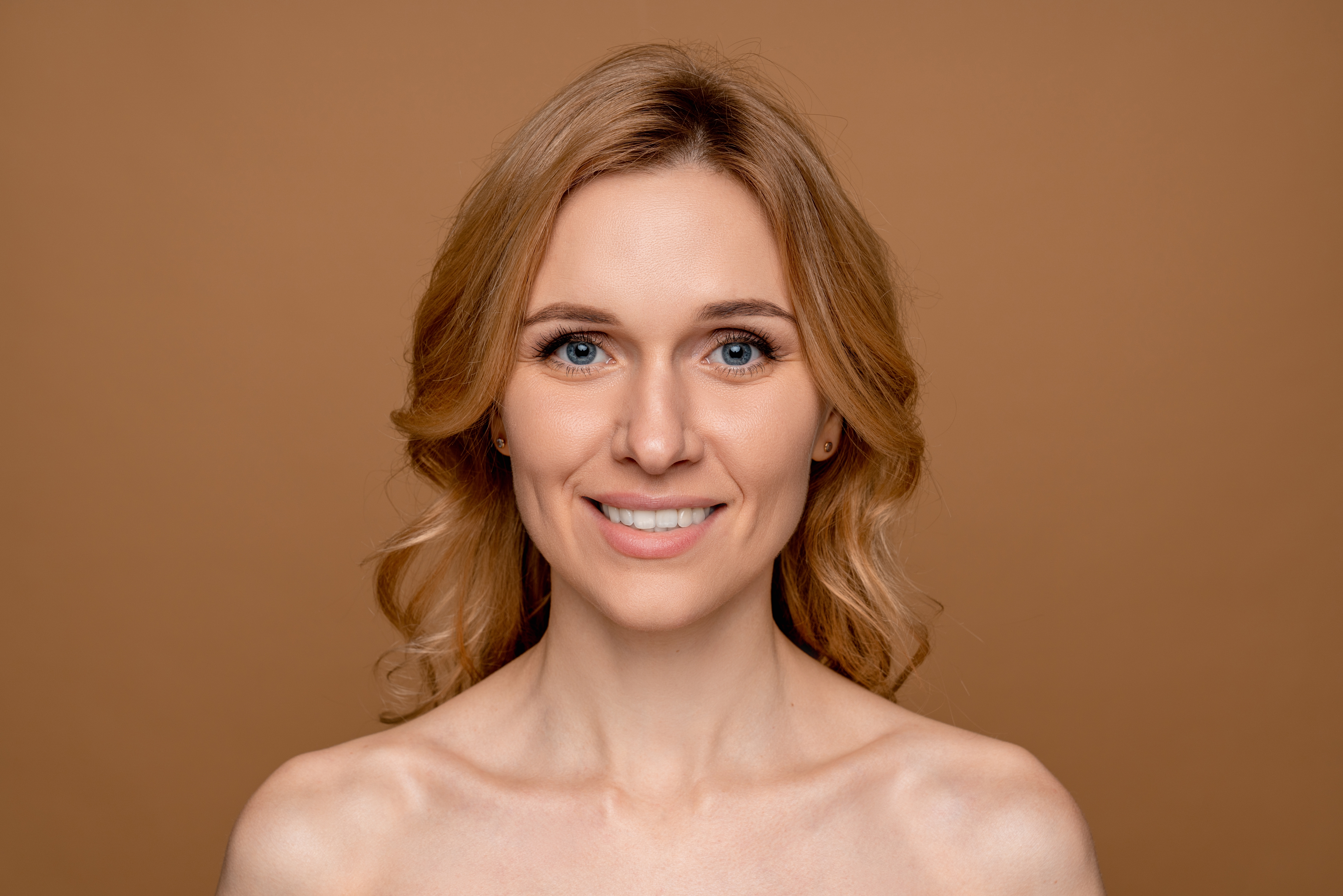


For many men and women in Atlanta, GA, the decision to explore facelift surgery follows years of watching the natural aging process gradually alter features they once recognized easily in the mirror. Sagging skin, deep wrinkles, a softened jawline, and deepening nasolabial folds are among the most visible signs that non-surgical treatments alone may no longer address. This guide covers how facelift surgery works, what the procedure can realistically accomplish, how modern facelift techniques compare to older approaches, and what separates a quality outcome from a poor one. Whether you are early in your research or actively weighing facelift options, this resource is designed to help you make informed, confident decisions. If you would like to discuss your specific concerns with a specialist, contact Paul Daraei, MD at (678) 208-6008.
What Facelift Surgery Actually Addresses
A facelift procedure is a surgical technique designed to reduce sagging skin deep wrinkles, restore youthful contours, and address visible signs of facial aging that accumulate over time. What many patients do not realize is how anatomically precise modern facelifts have become. The procedure does not simply pull facial skin tighter. Skilled plastic surgeons work at the level of the underlying tissues, specifically the superficial musculoaponeurotic system (SMAS), the structural layer beneath the skin that supports the face’s youthful architecture.
When the SMAS is addressed alongside excess skin and excess fat, results tend to look natural rather than surgically altered. The underlying muscles and deeper tissues are repositioned, not just the surface. This is what separates a well-performed facelift from one that produces an overdone appearance.
Facelift surgery addresses several areas simultaneously: sagging skin along the midface and lower face, deep creases from the nose to the mouth, jowling along the jawline, loose skin under the chin, and in many cases, the neck. For patients with early to moderate signs of aging, a mini facelift may provide meaningful improvement with a more limited surgical footprint.
Deep Plane Facelift vs. Traditional Facelift
One of the most clinically significant advances in facelift surgery is the deep plane facelift. Unlike a traditional facelift, which lifts and tightens tissue primarily at the skin level, a deep plane facelift releases and repositions the deeper layers of facial tissue, below the SMAS, allowing for more substantial and longer-lasting improvement in facial structure.
The deep plane facelift is particularly effective for patients with significant sagging skin deep wrinkles, pronounced nasolabial folds, and significant volume loss in the midface. Because the technique works with the deeper tissues rather than against them, tension is distributed more evenly. Most patients find this produces a more refreshed, natural-looking result compared to what the traditional facelift could achieve.
The deep plane facelift requires a higher level of anatomical expertise than surface-level techniques. Plastic surgeons who perform it regularly tend to have advanced training specifically in facial procedures. If you are exploring which facelift options may suit your concerns, understanding the difference between these approaches is an important starting point.
The Role of Facial Rejuvenation Beyond the Facelift Procedure
Facelift surgery is one component of comprehensive rejuvenation, but it is rarely the complete picture on its own. The aging process affects multiple structures simultaneously: volume decreases, skin quality changes, and individual areas like the eyes and brow descend independently of the lower face.
Many patients choose to combine facelift surgery with complementary cosmetic procedures such as eyelid surgery, a brow lift, or a neck lift to address these areas as part of a single surgical plan. Dermal fillers may be used in conjunction with surgical techniques to restore volume in areas the facelift procedure itself does not target.
Environmental factors such as sun damage, lifestyle, and genetics all influence how facial aging presents, and therefore which combination of other procedures may complement the facelift. A thorough consultation with a facial plastic surgeon is the only appropriate way to determine which combination addresses your specific anatomy and goals.
Why Non-Surgical Treatments Have Limits
Non-surgical treatments, including injectables, dermal fillers, and energy-based devices, can meaningfully improve skin quality and reduce early visible signs of aging. However, these approaches do not address the structural changes that occur deeper in the face. They cannot reposition underlying tissues, remove excess skin, or restore a defined jawline when significant laxity is present.
Skin elasticity diminishes over time, and once the body’s ability to support facial tissues naturally is significantly reduced, non-surgical treatments provide progressively limited improvement. The value of facelift surgery lies precisely in its ability to address structural change at a level that no topical or injectable approach reaches. For patients who have already explored non-surgical options and feel they are no longer achieving meaningful results, facelift surgery typically becomes the appropriate next consideration.
Realistic Expectations and Emotional Well-Being
Patients who approach facelift surgery with realistic expectations tend to report higher satisfaction with their outcomes. Facelift surgery can meaningfully reduce sagging skin, soften deep wrinkles, address a turkey neck, and restore youthful contours, but results vary by individual, and the procedure does not stop the natural aging process.
Improved self-esteem and self-confidence are commonly reported outcomes following facelift surgery, and these effects on emotional well-being are well-documented in surgical literature. However, a thoughtful, experienced surgeon will evaluate your medical history, goals, and candidacy carefully before recommending any surgical procedure. Patients who take blood thinners or have certain health conditions may require specific pre-surgical planning.
A placement of a drainage tube is sometimes used during recovery to minimize fluid accumulation, and surgical techniques are chosen partly to minimize scarring. Most patients return to normal activities within two to three weeks, though individual recovery varies. Your provider will discuss the full recovery process during your consultation.
Why Choose Paul Daraei, MD in Atlanta, GA
When the goal is natural-looking results from facelift surgery, the credentials and specialization of your facial plastic surgeon matter considerably. Dr. Paul Daraei is a double board-certified facial plastic surgeon, holding dual certification from both the American Board of Facial Plastic and Reconstructive Surgery and the American Board of Otolaryngology – Head and Neck Surgery. He trained at Emory University, completing over 3,000 surgical cases before dedicating an additional fellowship exclusively to cosmetic facial procedures.
Dr. Daraei’s practice focuses exclusively on the head and neck, meaning every surgical technique he employs and every facelift procedure he performs is within a single, deeply specialized area. He serves patients throughout Atlanta, Buckhead, Sandy Springs, and surrounding communities. As an affiliate professor at Emory University’s Department of Otolaryngology and a published author in peer-reviewed journals, Dr. Daraei remains actively engaged in advancing facial plastic surgery beyond his private practice. His academic standing reflects the same precision and depth of knowledge he brings to every patient consultation.
Have questions that go beyond what this guide covers? Dr. Paul Daraei can provide personalized guidance based on your individual situation. Contact us online or call (678) 208-6008 to schedule your consultation.
Frequently Asked Questions About Facelift Surgery
Am I a good candidate for facelift surgery?
Candidacy depends on several individual factors, including the degree of facial aging present, your overall health, your medical history, and your goals. Most patients who benefit from facelift surgery have moderate to significant sagging skin and deep wrinkles that non-surgical treatments have not adequately addressed. A personalized evaluation with a qualified facial plastic surgeon is the appropriate first step.
How long do facelift results typically last?
Results from facelift surgery are long-lasting, though the natural aging process continues after the procedure. Most patients find their improvements remain visible and meaningful for many years. Factors such as skin quality, sun damage, lifestyle habits, and genetics all influence the longevity of results.
What is the difference between a facelift and a neck lift?
A facelift procedure primarily addresses the midface, lower face, and jawline, while a neck lift focuses specifically on the neck and submental area, including loose skin and banding below the chin. Many patients benefit from combining both procedures for more comprehensive rejuvenation, though candidacy depends on individual anatomy and goals.
Will my results look natural?
When performed by an experienced surgeon using advanced techniques at the level of the underlying tissues, facelift surgery can produce natural-looking results that enhance facial harmony without appearing surgically altered. The deep plane facelift in particular is associated with outcomes that appear refreshed rather than pulled. Results vary based on technique, anatomy, and provider expertise.
How does facelift surgery compare to other cosmetic procedures for facial aging?
Other cosmetic procedures like dermal fillers, injectables, and energy-based treatments can improve skin quality and early signs of aging, but they do not address structural laxity in the deeper tissues. Facelift surgery is generally considered appropriate when the degree of sagging and deep wrinkles has advanced beyond what non-surgical treatments can meaningfully correct.
What should I discuss during my consultation?
Your consultation with a facial plastic surgeon should cover your goals, relevant medical history, any medications including blood thinners, your realistic expectations for outcomes, and the specific facelift techniques being recommended for your anatomy. This is also the appropriate time to discuss recovery, potential risks, and whether combining other procedures would benefit your overall result.
How much does facelift surgery cost?
The cost of facelift surgery varies based on the specific procedure, whether other procedures are combined, surgical facility fees, and anesthesia. Providing an accurate estimate requires an in-person evaluation. Contact our office to schedule a consultation where pricing can be discussed in the context of your individual treatment plan.
Understanding why choose facelift benefits and results is the foundation of a confident facelift journey. Whether you are exploring your facelift options for the first time or ready to move forward with a consultation in Atlanta, GA, Dr. Paul Daraei brings the specialized expertise and surgical precision that this decision deserves. To take the next step, visit drpauldaraei.com/contact-us or call (678) 208-6008 to schedule your personalized consultation.
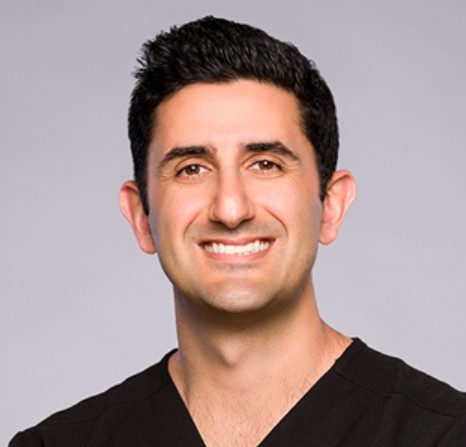
Dr. Paul Daraei is a double board-certified facial plastic surgeon recognized for his exceptional skill, academic excellence, and leadership in the field of facial aesthetics. With advanced fellowship training and thousands of surgical cases completed at Emory University, he combines technical precision with an artist’s eye for natural results. As an affiliate professor and published author in leading medical journals, Dr. Daraei continues to advance the field through teaching, research, and innovation. His commitment to excellence and patient-centered care has established him as one of Atlanta’s most trusted authorities in facial plastic and reconstructive surgery.