


Chin augmentation is a procedure that enhances the size, shape, and projection of the chin to improve facial balance and definition. This may be accomplished using a chin implant or by reshaping the existing bone, depending on your individual treatment plan. Chin augmentation is often performed as a standalone procedure or combined with other facial surgeries to create a more harmonious profile. While the results are long-lasting, proper healing and post-operative care play an important role in achieving the best possible outcome.
At Daraei Facial Plastic Surgery, your procedure is carefully planned to complement your natural facial features while maintaining a balanced, refined appearance. Following your recovery instructions closely will help minimize complications and support optimal healing. Although much of the swelling improves within the first few weeks, it can take several months for your final results to become fully visible.
What to Expect After Your Procedure
As you recover, it is common to experience temporary side effects, including:
- Swelling: Moderate swelling around the chin, jawline, and lower face is expected after surgery. Swelling is usually greatest during the first several days, then gradually improves.
- Bruising: Bruising beneath the chin, along the neck, or around the lower jaw is normal and will fade as healing progresses.
- Discomfort: Mild to moderate soreness, pressure, or tightness around the chin is common during the early recovery period and is typically well managed with prescribed or recommended pain medication.
- Numbness: Temporary numbness or decreased sensation of the chin, lower lip, or surrounding skin may occur as nerves recover from surgery. Sensation generally returns gradually over time.
- Difficulty Smiling or Speaking: Mild stiffness or tightness may temporarily affect facial expressions, speaking, or chewing. This typically improves as swelling decreases.
- Incisions and Dressings: Depending on your procedure, the incision may be located inside the mouth or beneath the chin. Dressings or a supportive chin wrap may be applied to help control swelling and stabilize the surgical area. Leave these in place unless instructed otherwise.
- Follow-Up Appointments: Regular follow-up visits allow Dr. Daraei to monitor your healing, remove sutures if necessary, and ensure your recovery remains on track.
When to Call Our Office Immediately
Please contact our office promptly if you experience any of the following:
- A fever of 101 degrees Fahrenheit or higher
- Rapidly increasing swelling or firmness on one side of the chin
- Persistent bleeding or excessive drainage from the incision
- Thick, cloudy, or foul-smelling drainage
- Severe pain that is not relieved by prescribed medication
- Increasing redness spreading beyond the incision
- Sudden movement or shifting sensation of the implant
- Difficulty breathing or swallowing
- Any symptom that causes concern during your recovery
What to Avoid After Your Procedure
To protect your results and promote proper healing, please follow these guidelines:
- Avoid touching, pressing, or manipulating your chin unnecessarily.
- Do not participate in contact sports or activities that could result in trauma to the face until cleared by Dr. Daraei.
- Avoid strenuous exercise, heavy lifting, bending over, or vigorous physical activity for at least two weeks.
- Do not smoke or use nicotine products for at least one month following surgery, as they can interfere with proper healing.
- Avoid alcohol while taking prescription pain medications and during the early recovery period.
- If your incision is inside the mouth, avoid spicy, crunchy, or hard foods that may irritate the surgical site until instructed otherwise.
- Do not take aspirin, ibuprofen, vitamin E, or other blood-thinning medications unless approved by your surgeon.
- Avoid excessive facial movements, including forceful chewing or opening your mouth widely, during the initial healing phase.
- Do not drive while taking narcotic pain medication.
General Post-Operative Care Instructions
Incision Care
If your incision is located beneath the chin, keep the area clean and dry while following your wound care instructions. If the incision is inside the mouth, rinse gently with any prescribed mouthwash as directed and maintain oral hygiene, avoiding vigorous brushing near the incision.
Compression Garment
If you are provided with a chin strap or compression garment, wear it exactly as instructed. Compression helps reduce swelling, supports healing tissues, and assists with proper implant positioning when applicable.
Sleeping Position
Sleep with your head elevated on several pillows or in a recliner during the first week after surgery. Keeping your head elevated helps reduce swelling and minimize pressure on the surgical site. Avoid sleeping on your stomach or side until permitted.
Cold Therapy
Cold compresses may be applied around the chin and jawline during the first 48 hours to help reduce swelling and discomfort. Do not place ice directly on the skin, and avoid excessive pressure over the surgical area.
Blood Clot Prevention
Light walking several times each day is encouraged to improve circulation. While resting, gently move your feet and legs to help reduce the risk of blood clots.
Medications
Take all prescribed medications exactly as directed. Use prescription pain medication only as needed, transitioning to acetaminophen when appropriate. Complete the full course of any prescribed antibiotics. If pain medication causes constipation, consider an over-the-counter stool softener after discussing it with your physician.
Diet
Begin with soft foods and plenty of fluids during the first several days after surgery. Choose foods that require minimal chewing while your chin heals. As your comfort improves, you may gradually resume your regular diet according to your surgeon’s instructions.
Chin Augmentation Results
Your chin will appear more defined as swelling gradually subsides and the tissues settle into their new position. While you will notice improvements early in your recovery, the final contour continues to refine over the coming months. Every patient heals differently, and subtle swelling may persist longer than expected. Maintaining your follow-up appointments and carefully following your recovery instructions will help support a smooth healing process and long-lasting results.
Contact Us
Dr. Daraei and the team at Daraei Facial Plastic Surgery are committed to providing exceptional care before, during, and after your procedure. If you have any questions or concerns throughout your recovery, please contact our office. We are here to help ensure your healing process is safe, comfortable, and successful.
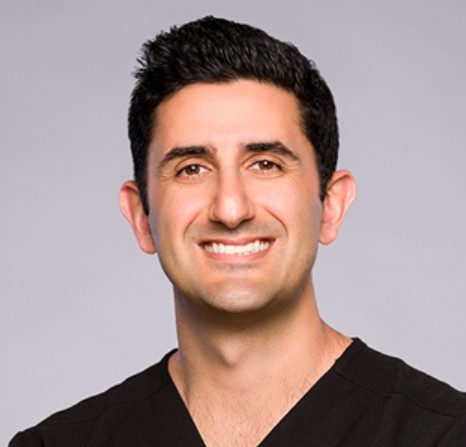
Dr. Paul Daraei is a double board-certified facial plastic surgeon recognized for his exceptional skill, academic excellence, and leadership in the field of facial aesthetics. With advanced fellowship training and thousands of surgical cases completed at Emory University, he combines technical precision with an artist’s eye for natural results. As an affiliate professor and published author in leading medical journals, Dr. Daraei continues to advance the field through teaching, research, and innovation. His commitment to excellence and patient-centered care has established him as one of Atlanta’s most trusted authorities in facial plastic and reconstructive surgery.