


Blepharoplasty is a surgical procedure that rejuvenates the appearance of the upper eyelids, lower eyelids, or both by removing or repositioning excess skin, fat, and tissue. The procedure can create a more refreshed, youthful appearance while, in some cases, improving vision affected by sagging upper eyelid skin. Although blepharoplasty produces long-lasting improvements, it is important to understand that the natural aging process will continue.
At Daraei Facial Plastic Surgery, your eyelid surgery is carefully customized to your unique facial anatomy and cosmetic goals. A smooth recovery and optimal results depend not only on the procedure itself but also on following all post-operative instructions. While much of the initial swelling and bruising resolves within the first few weeks, subtle healing and refinement can continue for several months.
What to Expect After Your Procedure
As your eyelids heal, it is normal to experience several temporary side effects, including:
• Swelling and Bruising: Swelling and bruising around the eyes are expected and are often most noticeable during the first two to three days after surgery. These symptoms gradually improve over the following weeks.
• Mild Discomfort: Tightness, soreness, tenderness, or a pulling sensation around the eyelids is common during the early healing period. Any discomfort is typically well controlled with prescribed or recommended medications.
• Blurred Vision: Temporary blurred vision may occur due to lubricating ointments, swelling, or mild tearing. Vision should gradually improve as healing progresses.
• Dryness or Watery Eyes: Your eyes may feel dry, irritated, watery, or sensitive to light during the first several weeks. Artificial tears or lubricating ointments may be recommended to keep your eyes comfortable.
• Numbness or Altered Sensation: Temporary numbness or tingling near the eyelids or surrounding skin is normal and usually improves as the nerves recover.
• Incisions and Sutures: Your incisions may appear slightly pink and swollen during the early stages of healing. Sutures may be removed during a follow-up appointment if non-dissolving stitches were used. Do not attempt to remove them yourself.
• Follow-Up Appointments: Routine post-operative visits allow Dr. Daraei to monitor your healing, remove sutures if needed, and ensure your recovery is progressing as expected.
When to Call Our Office Immediately
Please contact our office promptly if you experience any of the following:
• A fever of 101 degrees Fahrenheit or higher
• Sudden or rapidly increasing swelling around one or both eyes
• Significant bleeding that continues despite gentle pressure
• Severe pain that is not relieved with prescribed medication
• Thick, yellow, green, or foul-smelling drainage from the incision
• Increasing redness that spreads beyond the incision sites
• Sudden changes in vision, double vision, or vision loss
• Difficulty opening your eyes due to excessive swelling
• Any unexpected symptom or concern during your recovery
What to Avoid After Your Procedure
Following these precautions can help promote proper healing and protect your surgical results:
• Avoid rubbing, pressing, or scratching your eyes or incisions.
• Do not wear contact lenses until Dr. Daraei tells you it is safe to do so.
• Avoid strenuous exercise, bending, heavy lifting, or vigorous activity for at least two weeks or until cleared by your surgeon.
• Do not swim or use hot tubs, saunas, or steam rooms until your incisions have completely healed.
• Protect your eyes from direct sunlight by wearing dark sunglasses whenever you are outdoors.
• Do not smoke or use nicotine products for at least one month, as they can significantly delay healing.
• Avoid alcohol while taking prescription pain medications and during the first week of recovery unless otherwise instructed.
• Do not apply eye makeup, facial cosmetics, or skincare products near the incision sites until approved by Dr. Daraei.
• Avoid aspirin, ibuprofen, vitamin E, and other blood-thinning medications or supplements unless specifically approved by your surgeon.
• Do not drive while taking narcotic pain medication or if your vision remains significantly blurred.
General Post-Operative Care Instructions
Incision Care
Keep your incision sites clean according to your post-operative instructions. Apply any prescribed ointment exactly as directed and avoid excessive touching or manipulation of the eyelids. Allow any small scabs to fall away naturally without picking them.
Eye Care
Use lubricating eye drops or ointments as instructed to reduce dryness and irritation. If recommended, gently cleanse the eyelids with sterile gauze or cotton pads using the cleaning solution provided by our office.
Sleeping Position
Sleep with your head elevated on two or more pillows or in a recliner during the first week after surgery. Elevation helps minimize swelling and promotes more comfortable healing. Avoid sleeping on your face or applying pressure to your eyelids.
Cold Compresses
Cold compresses may be applied during the first 48 hours after surgery to help reduce swelling and bruising. Apply them for approximately 15 minutes at a time, with short breaks between applications, ensuring there is always a protective barrier between the cold pack and your skin.
Blood Clot Prevention
Although activity should be limited, take short walks throughout the day and gently move your legs and feet while resting to encourage healthy circulation.
Medications
Take all prescribed medications exactly as instructed. Prescription pain medication should be used only as needed, and many patients can transition to acetaminophen as discomfort improves. Complete any prescribed antibiotics and use lubricating eye medications as directed. If narcotic pain medication causes constipation, consider using an over-the-counter stool softener after discussing it with your physician.
Diet
Begin with light meals following surgery and gradually return to your normal diet as tolerated. Drink plenty of water and focus on eating protein-rich foods along with fruits and vegetables to support tissue healing and recovery.
Blepharoplasty Results
Your eyelids will gradually become more refined as swelling subsides over the weeks following surgery. While many patients notice a more rested appearance early in recovery, the final results continue to develop as residual swelling resolves and the tissues settle into their new position. Incision lines will also continue to soften and fade over time. Every patient heals differently, and subtle improvements may continue for several months. Following your post-operative instructions and attending all scheduled follow-up appointments can help ensure the best possible outcome.
Contact Us
Dr. Daraei and the team at Daraei Facial Plastic Surgery are dedicated to making your recovery as smooth and comfortable as possible. If you have questions, concerns, or notice any unexpected symptoms during your healing process, please contact our office. We are here to provide guidance and support every step of the way.
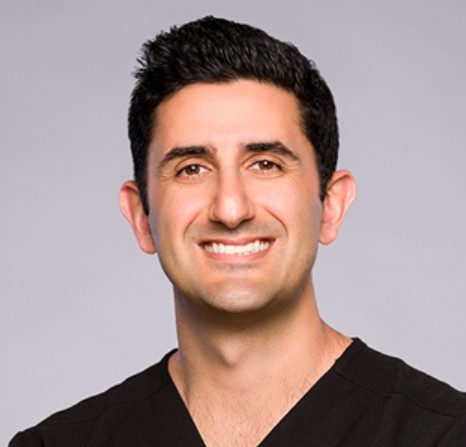
Dr. Paul Daraei is a double board-certified facial plastic surgeon recognized for his exceptional skill, academic excellence, and leadership in the field of facial aesthetics. With advanced fellowship training and thousands of surgical cases completed at Emory University, he combines technical precision with an artist’s eye for natural results. As an affiliate professor and published author in leading medical journals, Dr. Daraei continues to advance the field through teaching, research, and innovation. His commitment to excellence and patient-centered care has established him as one of Atlanta’s most trusted authorities in facial plastic and reconstructive surgery.