


CO2 laser resurfacing is an advanced skin rejuvenation treatment that uses targeted laser energy to improve skin texture, reduce wrinkles, soften acne scars, minimize sun damage, and promote healthier and more youthful-looking skin. By creating controlled microscopic injuries within the skin, the laser stimulates your body’s natural healing response and encourages new collagen production. While noticeable improvements develop over time, the quality of your results depends greatly on following proper post-treatment care throughout your recovery.
At Daraei Facial Plastic Surgery, every CO2 laser resurfacing treatment is customized to your skin type, treatment goals, and the depth of resurfacing. Healing times vary from patient to patient, but carefully following your post-procedure instructions will support healthy skin regeneration and optimize your final results.
What to Expect After Your Procedure
As your skin begins the healing process, it is normal to experience several temporary symptoms, including:
- Redness: Treated skin will appear red or pink immediately following your procedure. The intensity of redness gradually improves over several weeks, although mild pinkness may persist longer depending on the depth of treatment.
- Swelling: Mild to moderate swelling is common, particularly around the eyes and cheeks. Swelling is usually most noticeable during the first 48 to 72 hours, then gradually subsides.
- Warmth and Burning Sensation: Your skin may feel similar to a sunburn during the first few days after treatment. This sensation typically improves as healing progresses.
- Oozing and Crusting: Clear or yellow-tinged fluid may seep from the treated skin during the initial healing phase. As healing continues, the skin will begin forming a protective crust before naturally peeling.
- Peeling and Flaking: As new skin develops, the outer treated layer will gradually shed. Do not pick or remove peeling skin, as this may increase the risk of scarring or pigmentation changes.
- Dryness and Tightness: Your skin may feel dry, tight, or itchy throughout recovery. Frequent application of recommended healing ointments will help keep the skin protected and comfortable.
- Follow-Up Appointments: Your scheduled follow-up visits allow Dr. Daraei to evaluate your healing, answer questions, and ensure your recovery is progressing appropriately.
When to Call Our Office Immediately
Please contact our office right away if you experience any of the following:
- A fever of 101 degrees Fahrenheit or higher
- Severe or worsening pain not relieved by recommended medication
- Increasing redness extending well beyond the treated area
- Thick, green, yellow, or foul-smelling drainage
- Large blisters or worsening skin breakdown
- Excessive swelling that continues to worsen after several days
- Signs of an allergic reaction to prescribed medications or skincare products
- Any unexpected symptom or concern during your recovery
What to Avoid After Your Procedure
Proper aftercare is essential to achieving the best possible results. Please follow these precautions carefully:
- Do not pick, peel, rub, or scratch the healing skin.
- Avoid direct sun exposure until your skin has completely healed, and continue practicing diligent sun protection afterward.
- Do not use exfoliating products, retinoids, acids, scrubs, or harsh skincare products until approved by Dr. Daraei.
- Avoid hot tubs, swimming pools, saunas, steam rooms, and prolonged hot showers until healing is complete.
- Refrain from strenuous exercise or activities that produce excessive sweating for several days or as directed.
- Do not wear makeup until your skin has fully re-epithelialized and your surgeon approves its use.
- Avoid smoking and nicotine products during the healing process, as they can delay skin repair.
- Limit alcohol consumption during the first several days following treatment to support healthy healing.
- Do not use waxing, chemical depilatories, or other hair removal treatments on the treated area until your skin has fully recovered.
General Post-Procedure Care Instructions
Cleansing
Gently cleanse your skin using the cleanser recommended by Dr. Daraei. Wash with clean hands and lukewarm water, avoiding washcloths or abrasive materials that could irritate the healing skin.
Moisturizing
Apply the prescribed healing ointment or moisturizer frequently to keep the treated skin continuously hydrated. Maintaining a moist healing environment helps reduce discomfort and supports proper skin regeneration.
Sleeping Position
Sleep with your head elevated during the first several nights to help reduce facial swelling. If possible, sleep on your back and avoid placing pressure on treated areas.
Cold Compresses
Cool compresses may be used during the first 24 to 48 hours to minimize swelling and improve comfort. Apply them gently without placing excessive pressure on the treated skin.
Medications
Take all prescribed medications exactly as instructed. If antiviral, antibiotic, or pain medications have been prescribed, complete the full course as directed. Over-the-counter pain relievers may be used only if approved by Dr. Daraei.
Hydration and Nutrition
Drink plenty of water throughout your recovery and eat a balanced diet rich in protein, vitamins, and antioxidants to support collagen production and healthy skin healing.
Sun Protection
Once your skin has healed sufficiently, apply a broad-spectrum sunscreen with SPF 30 or higher every day, even on cloudy days. Wearing a wide-brimmed hat and limiting sun exposure will help protect your results and reduce the risk of pigmentation changes.
CO2 Laser Resurfacing Results
As your skin heals, you will begin to notice improvements in tone, texture, and overall skin quality. Fine lines, sun damage, acne scars, and uneven pigmentation continue to improve as new collagen develops beneath the surface. While many patients see noticeable changes within several weeks, collagen remodeling continues for several months following treatment. Healing times and final outcomes vary depending on the depth of treatment and your individual skin characteristics. Consistently following your post-procedure instructions and maintaining a healthy skincare routine will help preserve your results for years to come.
Contact Us
Dr. Daraei and the entire team at Daraei Facial Plastic Surgery are dedicated to supporting you throughout your recovery. If you have any questions, concerns, or unexpected symptoms following your CO2 laser resurfacing treatment, please contact our office. We are always available to provide guidance and help ensure a safe, successful healing process.
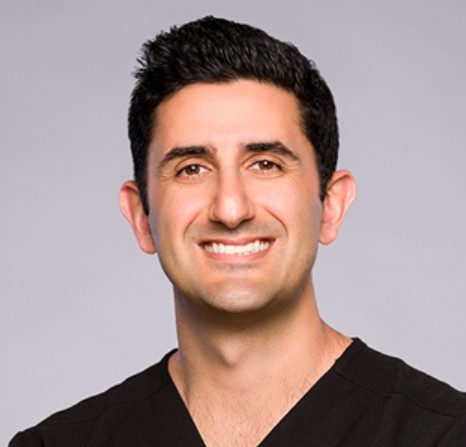
Dr. Paul Daraei is a double board-certified facial plastic surgeon recognized for his exceptional skill, academic excellence, and leadership in the field of facial aesthetics. With advanced fellowship training and thousands of surgical cases completed at Emory University, he combines technical precision with an artist’s eye for natural results. As an affiliate professor and published author in leading medical journals, Dr. Daraei continues to advance the field through teaching, research, and innovation. His commitment to excellence and patient-centered care has established him as one of Atlanta’s most trusted authorities in facial plastic and reconstructive surgery.