

Recovery following nasal injury repair is typically measured in weeks, though subtle refinements in appearance can continue for several months as swelling fully resolves. The early recovery period requires attentive wound care, changes in activity, and protection of the nose from further trauma. Closely following the instructions below will help ensure a safe, comfortable recovery and the best possible result.
What to Expect After Your Procedure
Swelling and Bruising: Some degree of swelling and bruising around the nose and under the eyes is normal and expected after nasal injury repair. Bruising typically peaks within the first 2–3 days and begins to fade over the following 1–2 weeks. Swelling resolves more gradually. While the majority subsides within 2–3 weeks, residual subtle swelling may persist for several months, particularly at the nasal tip. Do not be discouraged by your early appearance; the final result will emerge as healing progresses.
Pain and Discomfort: Mild to moderate discomfort is normal in the first several days following surgery. Take your prescribed pain medication as directed, and always consume some food or fluid beforehand to reduce the risk of nausea. Over-the-counter pain relievers such as acetaminophen may also be recommended. Avoid aspirin and ibuprofen, as these can promote bleeding.
Nasal Congestion: Expect significant stuffiness and nasal congestion during the early weeks of recovery, even if internal work was not performed. This is the result of swelling within the nasal passages and is temporary. Do not blow your nose during this period, as this can disrupt healing tissue and increase the risk of bleeding.
Bleeding: Some minor oozing or blood-tinged drainage from the nose is normal in the first 24–48 hours. If you experience heavy or persistent bleeding, contact our office immediately.
Splint or Cast: If a splint, cast, or external dressing is applied to your nose, it is important that you keep it clean, dry, and in place until your follow-up appointment. Do not attempt to remove or adjust it on your own.
Packing: If internal nasal packing was placed during your procedure, you will be instructed on when and how it will be removed. Packing can cause a sensation of fullness and pressure, which will resolve once it is taken out.
What to Avoid After Your Procedure
Protecting your nose during the healing process is essential. Please observe the following restrictions carefully:
- Do not blow your nose for at least 2–3 weeks following surgery, or until cleared by our office. If you need to sneeze, do so with your mouth open to minimize pressure within the nasal passages.
- Do not touch, press, or bump your nose. Even gentle pressure can shift healing structures and affect your result.
- Avoid strenuous exercise and heavy lifting for at least 2–3 weeks. Elevated heart rate and blood pressure increase the risk of bleeding and swelling.
- No contact sports or activities with any risk of impact to the face for a minimum of 6 weeks, or until cleared by Dr. Daraei.
- Do not wear glasses or sunglasses that rest on the bridge of the nose for 4–6 weeks. If you require vision correction, contact lenses are preferred during this time.
- Avoid excessive sun exposure to the nose and any incision sites for at least 6 months. Always apply a broad-spectrum sunblock and wear a brimmed hat when outdoors, as sun exposure can darken scars and worsen the appearance of bruising.
- Do not smoke or use tobacco products. Nicotine significantly impairs circulation and wound healing and can negatively impact your surgical result.
- Avoid alcohol during the initial recovery period, particularly while taking prescribed medications.
- Do not submerge your face in water. No swimming, hot tubs, or baths until your incisions are fully healed and you have been cleared by our office.
- Avoid sleeping on your side or stomach. Sleep with your head elevated on two pillows to reduce swelling and protect the nose from accidental pressure during sleep.
General Post-Operative Wound Care Instructions
External Incisions
If incisions were made on the outside of the nose or surrounding skin, keep them clean and dry. Gently cleanse the area twice daily with a mild saline solution or as directed, and apply a thin layer of antibiotic ointment to prevent infection and support healing. Do not pick at scabs or sutures. Allow them to heal naturally.
Suture Removal
If non-dissolving sutures were placed, they will typically be removed at your follow-up appointment within 5–7 days. Dissolving sutures do not require removal.
Splint and Dressing Care
Keep your nasal splint or cast dry at all times. When showering, cover the splint with a protective barrier. Avoid direct water spray to the face.
Saline Rinses
Gentle saline nasal spray may be recommended to keep the nasal passages moist and clear of crust or dried blood. Use only as directed, and do not forcefully irrigate the nasal passages during early healing.
Diet and Hydration
No dietary restrictions are typically required following nasal injury repair; however, staying well hydrated supports healing. Avoid very spicy or salty foods that may increase swelling.
Medications
Take all prescribed medications, including antibiotics, exactly as directed and for the full course. Do not take aspirin, ibuprofen, naproxen, or any other blood-thinning medications or supplements (such as fish oil, vitamin E, or herbal remedies) unless specifically approved by Dr. Daraei.
Nasal Injury Repair Results
The results of nasal injury repair are closely tied to how well post-operative instructions are followed. With proper care, most patients enjoy a significant improvement in both the appearance and function of the nose, with a natural-looking outcome that is in harmony with the rest of the face.
It is important to have realistic expectations about the timeline for your final result. While major swelling resolves within the first few weeks, the nose continues to refine and settle over the course of 6–12 months. Minor asymmetries or irregularities visible in the early weeks often improve significantly as healing continues.
Follow-up appointments are an essential part of your recovery and allow Dr. Daraei to monitor your healing progress, address any concerns, and ensure you are on track for the best possible outcome. Please attend all scheduled visits and do not hesitate to reach out between appointments with any questions.
If you have any questions or concerns at any time during your recovery, please contact our office.
Paul Daraei, MD
Dr. Paul Daraei is deeply committed to excellence and patient-centered care. As a Double Board-Certified Facial Plastic Surgeon, he specializes in all surgical and non-surgical procedures of the head and neck. Dr. Daraei completed a rigorous head and neck surgical program, followed by a fellowship dedicated solely to cosmetic facial plastic surgery. He has worked with prestigious and elite surgeons nationally and internationally to provide comprehensive and state-of-the-art care for his patients in the Atlanta area.
Learn more about DR. daraei
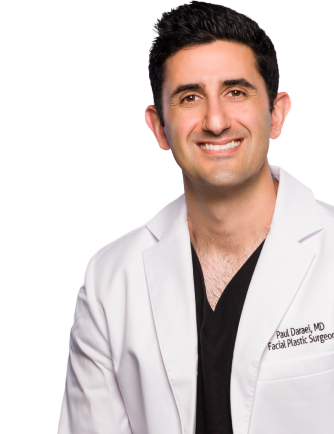








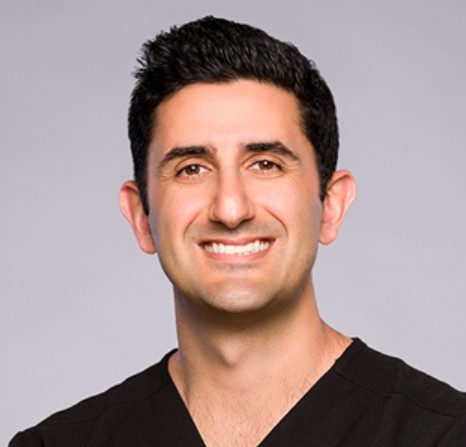
Dr. Paul Daraei is a double board-certified facial plastic surgeon recognized for his exceptional skill, academic excellence, and leadership in the field of facial aesthetics. With advanced fellowship training and thousands of surgical cases completed at Emory University, he combines technical precision with an artist’s eye for natural results. As an affiliate professor and published author in leading medical journals, Dr. Daraei continues to advance the field through teaching, research, and innovation. His commitment to excellence and patient-centered care has established him as one of Atlanta’s most trusted authorities in facial plastic and reconstructive surgery.